16 Pro Tips to Find the Best Albondigas con Sepia Near You
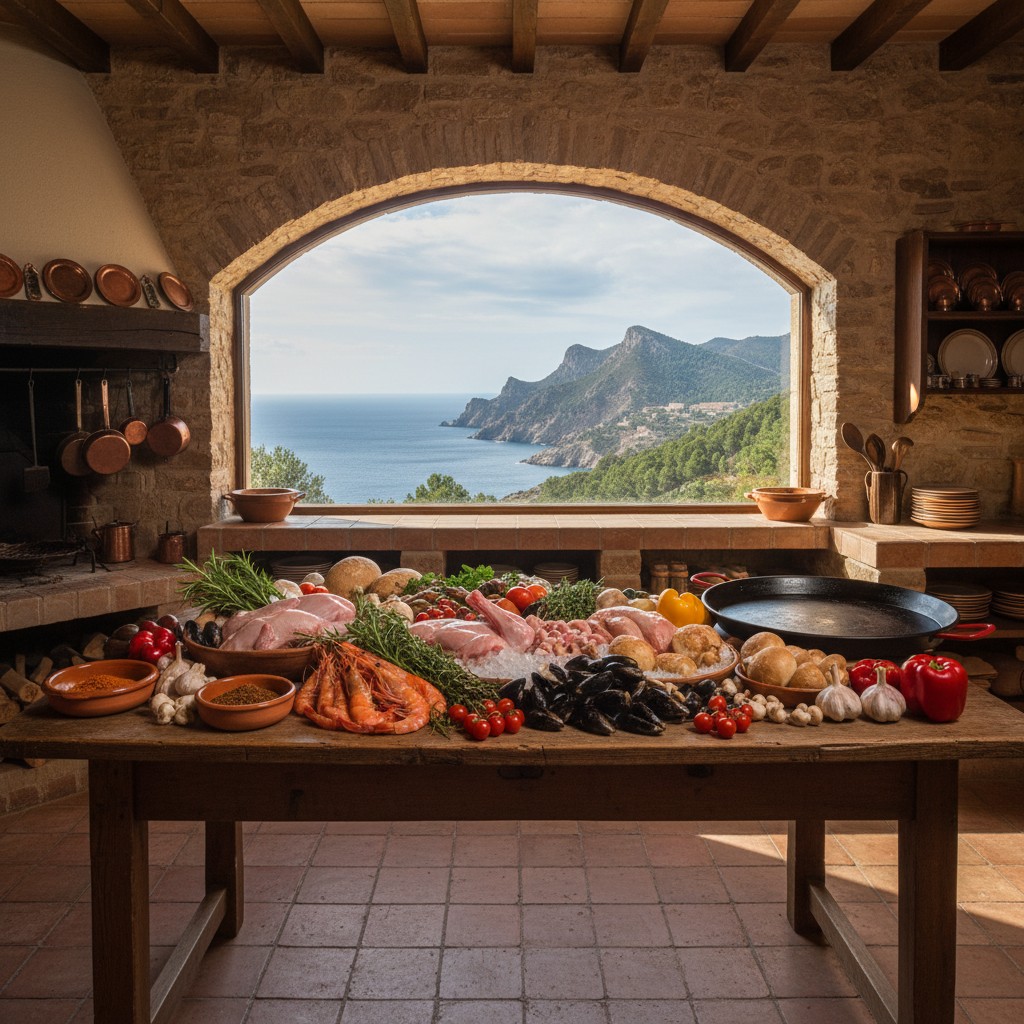
Imagine tender, flavorful meatballs swimming in a rich, savory tomato and seafood broth alongside delicate pieces of cuttlefish—this is the magic of albondigas con sepia. This quintessential Spanish dish, a star of Catalan cuisine, perfectly embodies the 'mar i muntanya' (sea and mountain) philosophy by uniting hearty pork and beef meatballs with the subtle, sweet taste of the ocean. It's a culinary masterpiece that comforts the soul and excites the palate, often served in a rustic earthenware 'cazuela' with crusty bread for dipping.
However, not all versions of this classic are created equal. Finding a truly exceptional albondigas con sepia requires more than a simple online search; it demands a detective's eye for detail and an understanding of what makes the dish so special. A subpar version might use frozen, rubbery cuttlefish or generic, flavorless meatballs, leaving you disappointed. This guide is your roadmap to navigating the culinary landscape and uncovering the hidden gems that serve this dish with the love and tradition it deserves. Get ready to embark on a delicious investigation.
1. Understand the 'Mar i Muntanya' Philosophy
Before you can find the best albondigas con sepia, you must first understand its soul. The dish is a prime example of 'mar i muntanya,' a Catalan culinary concept that translates to 'sea and mountain.' This philosophy involves creatively combining ingredients from the coastline with those from the inland mountains, creating complex and deeply satisfying flavor profiles. Common pairings include chicken with lobster, rabbit with snails, or, in our case, meatballs with cuttlefish.
When a restaurant's menu highlights 'mar i muntanya' dishes, it's a strong indicator that the kitchen respects traditional Catalan cooking. These chefs understand the delicate balance required to make such combinations work. They know that the briny essence of the cuttlefish must complement, not overpower, the savory depth of the meatballs. Seeking out establishments that specialize in or frequently feature this style of cooking dramatically increases your chances of finding an authentic and well-executed albondigas con sepia.
Look for menu descriptions that explicitly mention this concept. Phrases like 'our specialty mar i muntanya' or 'classic Catalan sea and mountain dishes' are green flags. This shows a level of intentionality and expertise that goes beyond simply putting two ingredients together. It's a culinary tradition that requires skill, and restaurants that embrace it are often the ones that deliver the most memorable meals.
2. Know the Key Ingredients of an Authentic Recipe
A truly great albondigas con sepia is a symphony of high-quality components. Knowing what to look for allows you to ask the right questions and discern quality. The meatballs (albondigas) should be homemade, typically from a mix of pork and beef for the perfect balance of flavor and tenderness. The cuttlefish (sepia) must be fresh and tender, never rubbery. Frozen cuttlefish can work if it's high quality, but fresh is always superior.
The foundation of the sauce is the 'sofrito,' a slow-cooked base of finely chopped onions, garlic, and ripe tomatoes in olive oil. A deep, rich sofrito is non-negotiable and is the heart of the dish's flavor. The final touch of authenticity is the 'picada,' a paste made from ground almonds or hazelnuts, garlic, parsley, and sometimes a piece of fried bread, which is stirred in at the end of cooking to thicken the sauce and add a final layer of nutty, aromatic complexity.
When you see a menu description, check if it mentions any of these elements. A detailed description that notes a 'slow-cooked sofrito' or a 'traditional almond picada' suggests the chef is proud of their process. Don't be afraid to ask your server about these details. A passionate kitchen will be happy to share what makes their version special, from the meat blend in their albondigas to the source of their sepia.
3. Prioritize Traditional Spanish and Catalan Restaurants
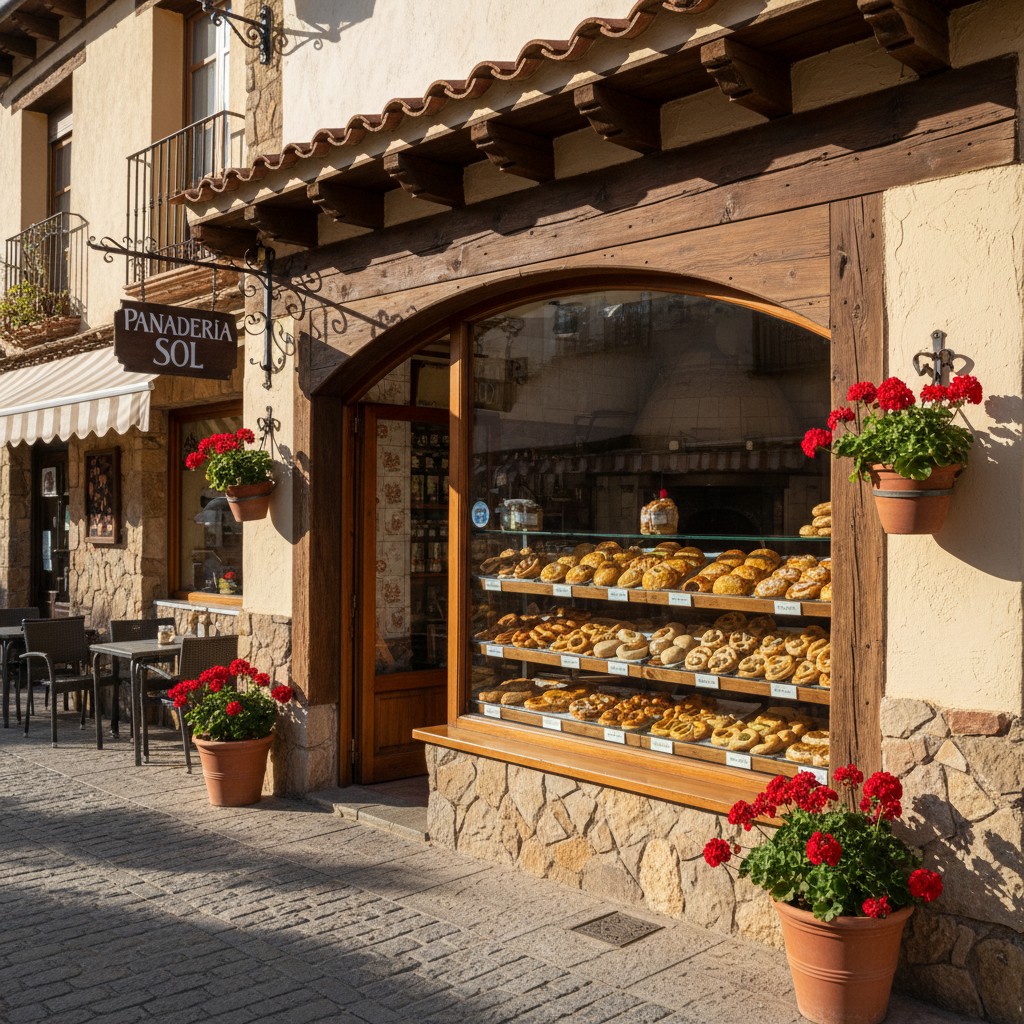
While many Mediterranean restaurants might offer a version of meatballs in tomato sauce, your best bet for authentic albondigas con sepia is an establishment that specializes in Spanish, and more specifically, Catalan cuisine. These restaurants are more likely to have chefs trained in the specific techniques and flavor profiles that define the dish. They understand the cultural context and the importance of adhering to time-honored methods.
Look for family-run establishments that have been around for years. These hidden gems often pass down recipes through generations, ensuring a level of authenticity that newer, trendier spots might lack. Their menus are often a testament to their heritage, featuring regional specialties that you won't find elsewhere. These are the places where you're more likely to find a truly soulful rendition of the dish.
A quick glance at the rest of the menu can be very telling. If you see other classic Catalan dishes like 'esqueixada' (salt cod salad), 'fideuà' (noodle paella), or 'crema catalana,' it's a very good sign. Similarly, if they offer a range of tapas beyond the usual suspects, like a well-made empanada de atún recipe, it indicates a deeper commitment to genuine Spanish food.
4. Scrutinize Online Menus and Photos
In the digital age, your investigation begins online. Before you even leave your house, pull up the menus of potential restaurants. A generic description like 'Meatballs and Cuttlefish' is a potential red flag. Look for menus that provide detail. Do they describe the sauce? Do they mention the type of meat used? The more information, the more confidence the chef has in their product.
Pay close attention to user-submitted photos on platforms like Google Maps, Yelp, or TripAdvisor. Look for a deep, rich, and slightly thick sauce, not a watery, pale red one. The meatballs should look plump and homemade, not perfectly uniform like they came from a factory. The cuttlefish should be cut into distinct pieces, not disintegrated into the sauce. A dark, earthenware 'cazuela' is another positive sign of tradition.
Be wary of professional photos that look overly staged or use color saturation to an extreme degree. User photos, while often less glamorous, provide a more realistic depiction of what you'll actually be served. Cross-reference photos with written reviews to see if diners' descriptions match the visuals. This digital reconnaissance can save you from a disappointing meal.
5. Read Reviews with a Detective's Eye
Reading online reviews is crucial, but you need to know how to filter the noise. Instead of just looking at the star rating, use the search function within a restaurant's reviews. Search for terms like 'albondigas,' 'sepia,' 'cuttlefish,' and 'meatballs.' This will pull up all the reviews that specifically mention the dish you're interested in.
Look for descriptive praise. A review that says, 'The albondigas con sepia was the best I've ever had! The sauce was so rich and the cuttlefish was incredibly tender,' is far more valuable than a generic 'The food was good.' Conversely, negative reviews that provide specifics like 'the meatballs were dry' or 'the cuttlefish was tough and rubbery' are important warnings.
Pay attention to reviews from people who seem knowledgeable about Spanish food. They might compare the dish to versions they've had in Spain or mention specific elements like the sofrito or picada. These discerning diners are your best allies in finding a truly authentic experience. Their insights can often point you toward the most legitimate spots in town.
6. Inquire About the 'Sofrito' Base
The soul of many Spanish stews, including this one, is the sofrito. A proper sofrito is made by slowly, patiently cooking down aromatics like onions, garlic, and sometimes peppers in olive oil until they are deeply caramelized and sweet. Ripe tomatoes are then added and cooked until the mixture is thick and jammy. This process can take an hour or more and is the source of the dish's profound depth of flavor.
When you're at the restaurant, don't hesitate to ask your server about the sofrito. A simple question like, 'Is the sofrito for the albondigas made in-house?' can be very revealing. If the server's eyes light up and they proudly explain that the chef cooks it for hours, you're in the right place. If they seem confused or give a vague answer, it might indicate they use a pre-made, canned base, which will result in a flat, one-dimensional sauce.
A great sofrito is a point of pride for any serious Spanish chef. It's a labor of love that cannot be rushed or faked. A kitchen that invests the time to make a proper sofrito is a kitchen that cares about quality and tradition. This single detail is one of the most reliable indicators of an authentic and delicious albondigas con sepia.
7. Ask About the Cuttlefish (Sepia)
The 'sepia' in albondigas con sepia is just as important as the meatballs. Cuttlefish has a unique texture and a subtly sweet flavor that, when cooked correctly, is incredibly tender and delicious. However, if it's poor quality or overcooked, it can quickly become tough and rubbery, ruining the entire dish.
Inquire about the source of their cuttlefish. Is it fresh or frozen? While high-quality frozen cuttlefish can be excellent, a restaurant that sources it fresh shows a greater commitment to quality. Ask how it's prepared. The cuttlefish should be cooked until just tender, often simmered gently in the sauce along with the meatballs, allowing it to absorb all the wonderful flavors of the sofrito.
The size of the cuttlefish pieces also matters. They should be substantial enough to provide a pleasant textural contrast to the meatballs, not tiny specks that get lost in the sauce. A well-made dish will feature distinct, yet tender, pieces of cuttlefish in every bite. This attention to the 'sea' component is a hallmark of a great 'mar i muntanya' dish.
8. Listen for Mention of the 'Picada'
The 'picada' is a classic Catalan technique that separates the good versions of this dish from the great ones. It's a flavor-boosting paste, ground in a mortar and pestle, that's stirred into the stew during the final minutes of cooking. Its primary roles are to thicken the sauce naturally and to add a final, complex layer of flavor and aroma that ties everything together.
A traditional picada for albondigas con sepia typically includes toasted almonds or hazelnuts (for nutty richness), fresh parsley (for brightness), a clove of raw garlic (for a pungent kick), and sometimes a splash of wine or a piece of fried bread. Some recipes even include a small piece of dark chocolate or a liver from a chicken or rabbit to add incredible depth.
This is an insider's detail. Most menus won't mention the picada, so you'll likely have to ask. Posing the question, 'Does the chef finish the sauce with a picada?' will signal to the staff that you are a discerning diner. A positive and knowledgeable response is one of the strongest signs you've found a truly authentic kitchen that honors the culinary traditions of the region.
9. Confirm the Meatballs are Homemade
The quality of the 'albondigas' themselves is paramount. Mass-produced, perfectly spherical meatballs are a major red flag. They are often dense, rubbery, and lack the nuanced flavor of a homemade version. An authentic meatball for this dish should be tender, juicy, and seasoned from within.
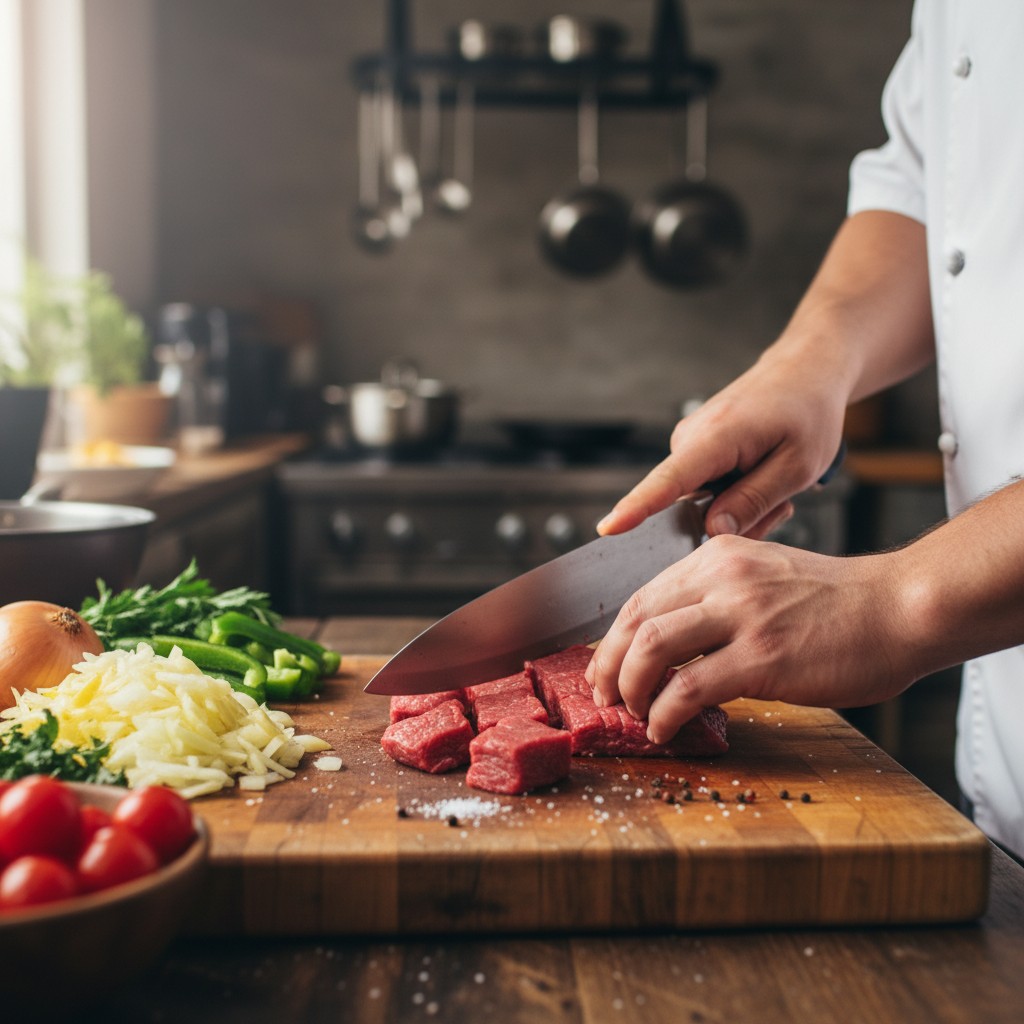
A good Spanish meatball is typically made from a mixture of ground pork and ground beef. The pork provides fat and flavor, while the beef adds a richer, meatier taste. The mixture is often bound with breadcrumbs soaked in milk (for tenderness), egg, and seasoned with finely chopped garlic, parsley, salt, and pepper. Each meatball is then lightly floured and fried to create a golden-brown crust before being simmered in the sauce.
Ask if the meatballs are made in-house. Look at photos to see if they have a slightly irregular, rustic shape, which is a good sign they are hand-rolled. A great meatball will be soft enough to cut with a spoon but firm enough to hold its shape in the rich sauce. This attention to the 'mountain' element is just as critical as the quality of the seafood.
10. Use More Specific Search Terms
To unearth the real gems, you need to think like a local. Instead of just searching for 'best albondigas con sepia near me,' expand your search vocabulary. Use Spanish terms that will lead you to more authentic eateries. Try searching for 'cocina catalana' (Catalan cuisine), 'tapas mar y muntanya,' or 'cocina casera española' (Spanish home cooking).
These more specific queries will help you filter out generic 'Spanish-style' restaurants and highlight those that pride themselves on regional authenticity. You might discover a small, family-owned place that doesn't have a huge marketing budget but is beloved by the local Spanish community. These are often the places with the most cherished and authentic recipes.
Another effective strategy is to search for the dish by its other names or descriptions, such as 'cazuela de albondigas y sepia' (casserole of meatballs and cuttlefish) or 'meatballs with cuttlefish stew.' Combining these terms with your location can yield new and promising results that your initial, broader search may have missed.
11. Explore Local Foodie Blogs and Communities
Mainstream review sites are useful, but the real secrets are often kept in smaller, more dedicated communities. Seek out local food bloggers who have a passion for international or authentic cuisine. These writers often go beyond the trendy hotspots to review lesser-known, family-run restaurants where you're likely to find the best traditional dishes.
Search for blog posts or articles with titles like 'Best Spanish Food in [Your City]' or 'Hidden Gem Restaurants.' These dedicated foodies often provide detailed, passionate reviews that include the kind of specifics we've been discussing, such as the quality of the sofrito or the tenderness of the sepia. Their job is to do the detective work for you.
Don't overlook online forums like Reddit (on subreddits like r/Food or your local city's subreddit) or specialized foodie groups on Facebook. Posing a question like, 'Where can I find truly authentic albondigas con sepia in town?' can trigger a flood of passionate recommendations from locals who know the food scene inside and out. This is grassroots-level research that often yields the most rewarding results.
12. Visit a Spanish Market or Deli for Intel
For a truly inside track, go to the source. Find a local Spanish or international market in your area. These are the places where local Spanish chefs and home cooks buy their authentic ingredients, from imported olive oil and paprika to cured meats and cheeses. The owners and staff of these establishments are often deeply embedded in the local culinary community.
Strike up a conversation. After purchasing some chorizo or manchego, casually ask the owner or a staff member for a recommendation. 'I'm looking for a great, traditional Spanish restaurant nearby, somewhere that might serve a fantastic albondigas con sepia. Do you have a favorite spot?' They are often happy to share their personal favorites and steer you away from tourist traps.
This approach not only gets you expert recommendations but also helps you build a connection with the local food community. These shopkeepers know who buys the best ingredients and who cooks with passion. Their advice is often more reliable than a thousand anonymous online reviews. It's a classic, old-school detective technique that works wonders in the culinary world.
13. Pay Attention to the Serving Vessel
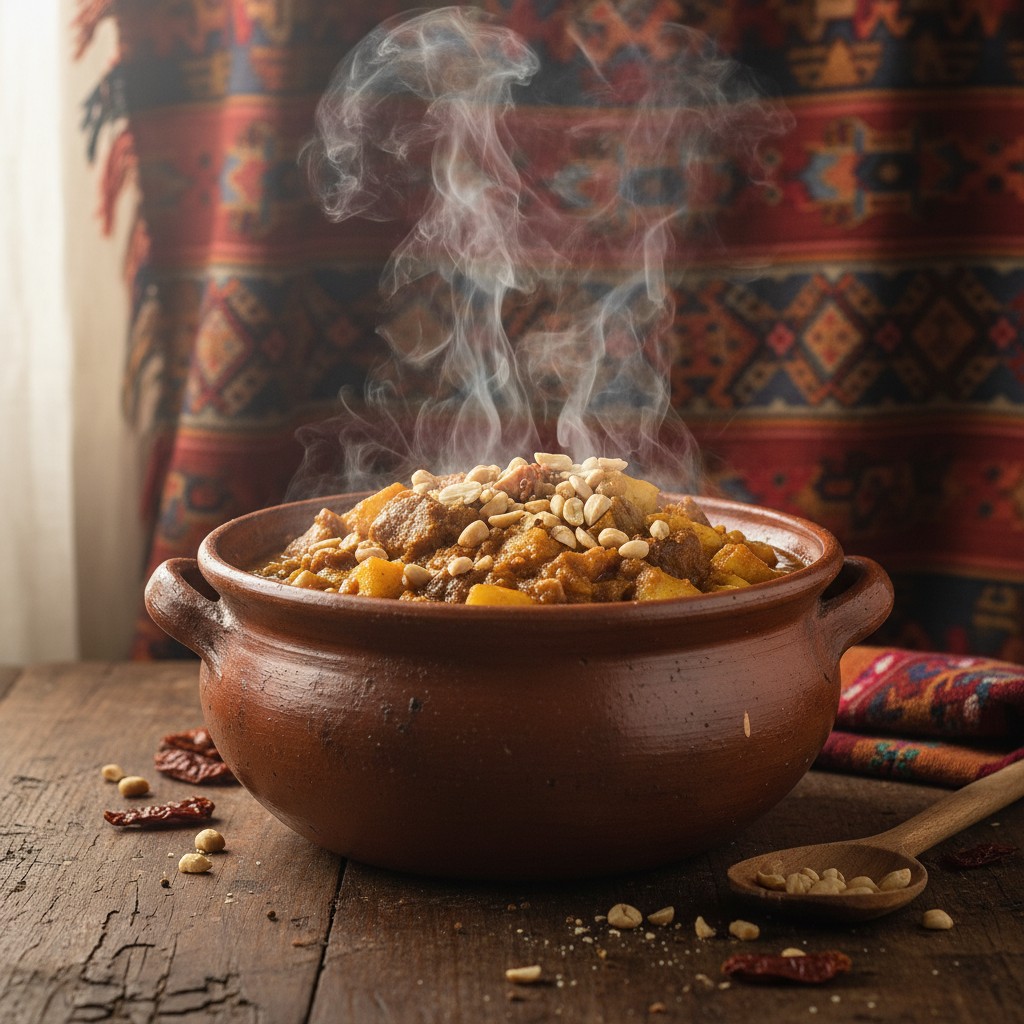
How a dish is presented can speak volumes about the restaurant's philosophy. Albondigas con sepia is traditionally served bubbling hot in a 'cazuela de barro,' a rustic, shallow earthenware dish. This type of dish is excellent at retaining heat, ensuring the stew stays warm throughout the meal.
While a restaurant might serve a delicious version on a standard plate or in a bowl, the use of a cazuela signals a nod to tradition and authenticity. It shows that the restaurant cares about the complete experience of the dish, not just the food itself. It's a small detail, but it's part of the cultural tapestry of Spanish dining.
When you see photos of the dish online or see it being brought to another table, take note of the vessel. A restaurant that invests in traditional cookware like cazuelas is more likely to be one that invests time in traditional cooking methods. It's another clue that you're in a place that respects its culinary roots.
14. Consider the Accompaniments
The perfect albondigas con sepia is not complete without the right partner: bread. The rich, complex sauce is arguably as important as the meatballs and cuttlefish, and wasting a single drop is a culinary crime. A proper Spanish restaurant will serve the dish with a generous portion of crusty, rustic bread ('pan de pueblo') for 'mojar'—the art of mopping up the sauce.
The quality of the bread matters. It shouldn't be soft, flimsy sandwich bread. It should have a firm crust and a chewy interior, capable of soaking up the sauce without disintegrating. If a restaurant serves excellent bread with its dishes, it's a sign that they care about the details and the overall dining experience. Some places might also offer a side of simple white rice, which also serves as a wonderful vehicle for the sauce.
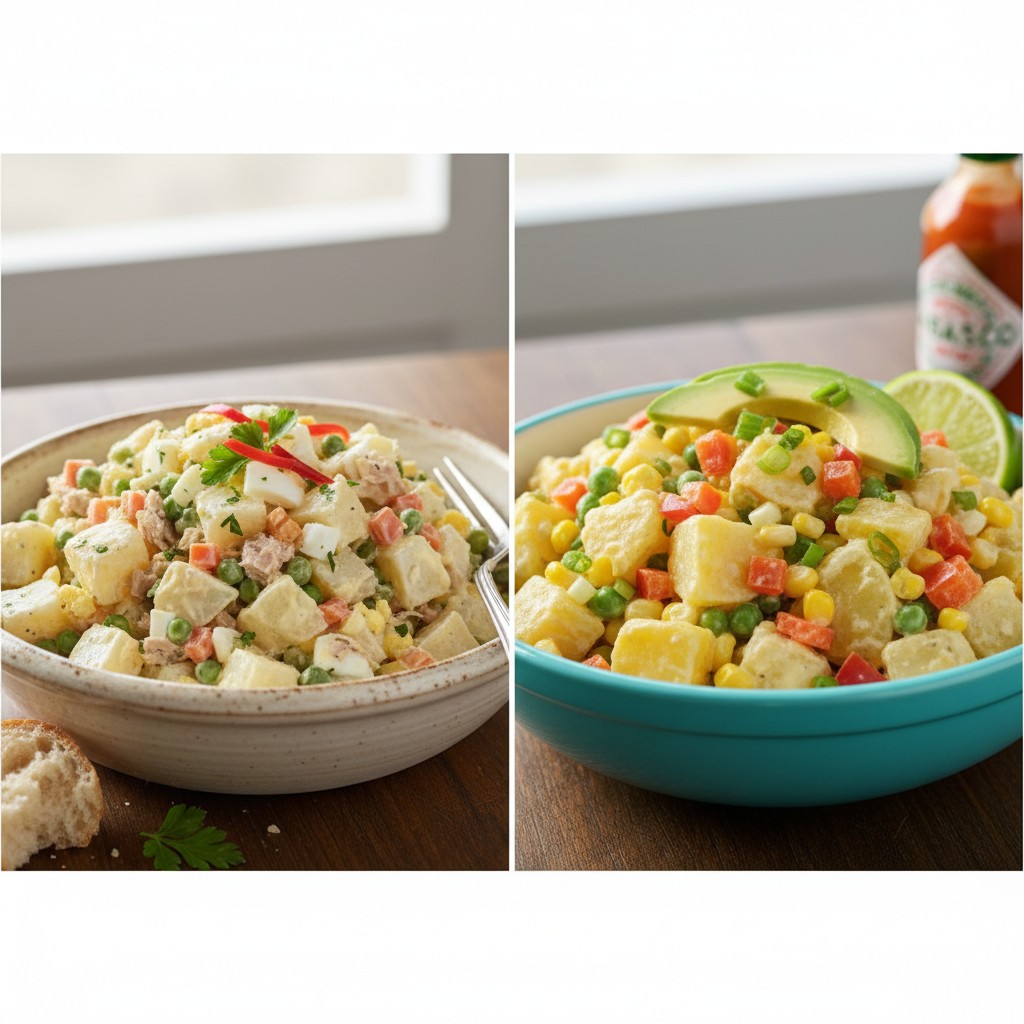
Think about what you might have as a starter. A light, refreshing salad like an authentic ensalada mixta or a creamy Spanish potato salad can be a perfect prelude to the rich stew. A restaurant with a well-rounded menu that includes these classic starters is likely to have a strong grasp on Spanish cuisine as a whole.
15. Don't Be Afraid to Try Making It Yourself
Sometimes the most authentic meal is the one you make in your own kitchen. If your search for the perfect restaurant version comes up short, consider it a challenge to recreate the dish yourself. This culinary project is not only rewarding but will also give you a much deeper appreciation for the skill and time involved in creating a great albondigas con sepia.
There are many fantastic recipes available online from respected Spanish chefs and food writers. Your local Spanish deli, which you visited for intel, is the perfect place to source high-quality ingredients like Spanish paprika, good olive oil, and perhaps even fresh or frozen cuttlefish. The process will connect you to the dish on a new level.
Once you've made it yourself—once you've patiently nurtured a sofrito, hand-rolled the meatballs, and ground your own picada—you'll be an even more discerning critic. You'll understand the nuances of the dish intimately. This knowledge will make you an expert in your ongoing quest, able to spot true quality instantly when you dine out. It's the ultimate step in becoming a true connoisseur.
16. Trust Your Instincts and Be Adventurous
After all the research, reading, and questioning, sometimes the final decision comes down to a gut feeling. If a place feels right—if it has a warm, welcoming atmosphere, the smells wafting from the kitchen are intoxicating, and the staff seems passionate and genuine—it's often worth taking a chance, even if it doesn't tick every single box on your checklist.
Don't be afraid to venture off the beaten path. The best version of a dish isn't always at the most famous or highest-rated restaurant. It could be hiding in a quiet neighborhood, served by a chef who cooks with heart but doesn't have a social media manager. Be open to happy accidents and spontaneous discoveries.
The search for the perfect dish is part of the fun. It's a journey that involves more than just eating; it's about exploring culture, engaging with people, and learning along the way. Whether you're investigating other Spanish classics like a hearty Peruvian food-inspired stew or a simple broccoli quiche, apply the same detective's mindset. Enjoy the process, and when you finally find that perfect cazuela of albondigas con sepia, the victory will taste that much sweeter.
Frequently Asked Questions
What exactly is albondigas con sepia?
Albondigas con sepia is a traditional Spanish dish, particularly popular in the Catalan region. It translates to 'meatballs with cuttlefish.' It's a classic example of 'mar i muntanya' (sea and mountain) cuisine, combining savory pork and beef meatballs with tender pieces of cuttlefish in a rich, slow-cooked tomato and seafood sauce called a 'sofrito.' The dish is often finished with a 'picada,' a paste of nuts, garlic, and parsley, to thicken the sauce and add complexity.
Is albondigas con sepia spicy?
No, traditional albondigas con sepia is not a spicy dish. Its flavor profile is rich, savory, and aromatic rather than hot. The primary flavors come from the slow-cooked sofrito (tomato, onion, garlic), the meatballs, the briny sweetness of the cuttlefish, and herbs like parsley. Some recipes might include a pinch of Spanish paprika ('pimentón'), which can be sweet or smoky, but rarely the hot variety. It's a comforting and deeply flavorful stew, not a spicy one.
What's the difference between sepia (cuttlefish) and calamari (squid) in this dish?
While they are related and can be used interchangeably in some recipes, sepia (cuttlefish) and calamari (squid) have distinct differences. Sepia tends to be thicker and meatier than calamari, with a firmer texture and a slightly sweeter, more robust flavor. When cooked slowly in a stew like this, sepia becomes incredibly tender and absorbs the sauce beautifully. Calamari is more delicate and cooks much faster, making it better suited for quick frying or grilling. Authentic recipes specifically call for sepia for its superior texture and flavor in a slow-simmered dish.
What wine pairs best with albondigas con sepia?
Because of its 'sea and mountain' nature, albondigas con sepia pairs well with a variety of Spanish wines. For a white wine, a crisp, dry Spanish white like an Albariño or a Verdejo works wonderfully. Their acidity and mineral notes cut through the richness of the sauce and complement the seafood element. For a red wine, you want something light to medium-bodied with low tannins so it doesn't overpower the cuttlefish. A young Rioja Crianza or a Mencía from Bierzo would be an excellent choice, offering fruity notes that harmonize with the tomato-based sauce.
Can I make authentic albondigas con sepia at home?
Absolutely! While it requires some time and effort, making it at home is incredibly rewarding. The key is to not cut corners. Take the time to make a proper, slow-cooked sofrito, use a good quality mix of ground pork and beef for the meatballs, and source the best cuttlefish you can find. Don't forget to make a traditional 'picada' with almonds, garlic, and parsley to stir in at the end—it's the secret to an authentic-tasting sauce. There are many excellent recipes from Spanish chefs available online to guide you.
Image Source: © MrDetechtive — all photos in this article are the exclusive property of MrDetechtive and may not be reproduced or reused without written permission.