15 Pro Tips to Find the Best Empanada de Carne Cortada a Cuchillo
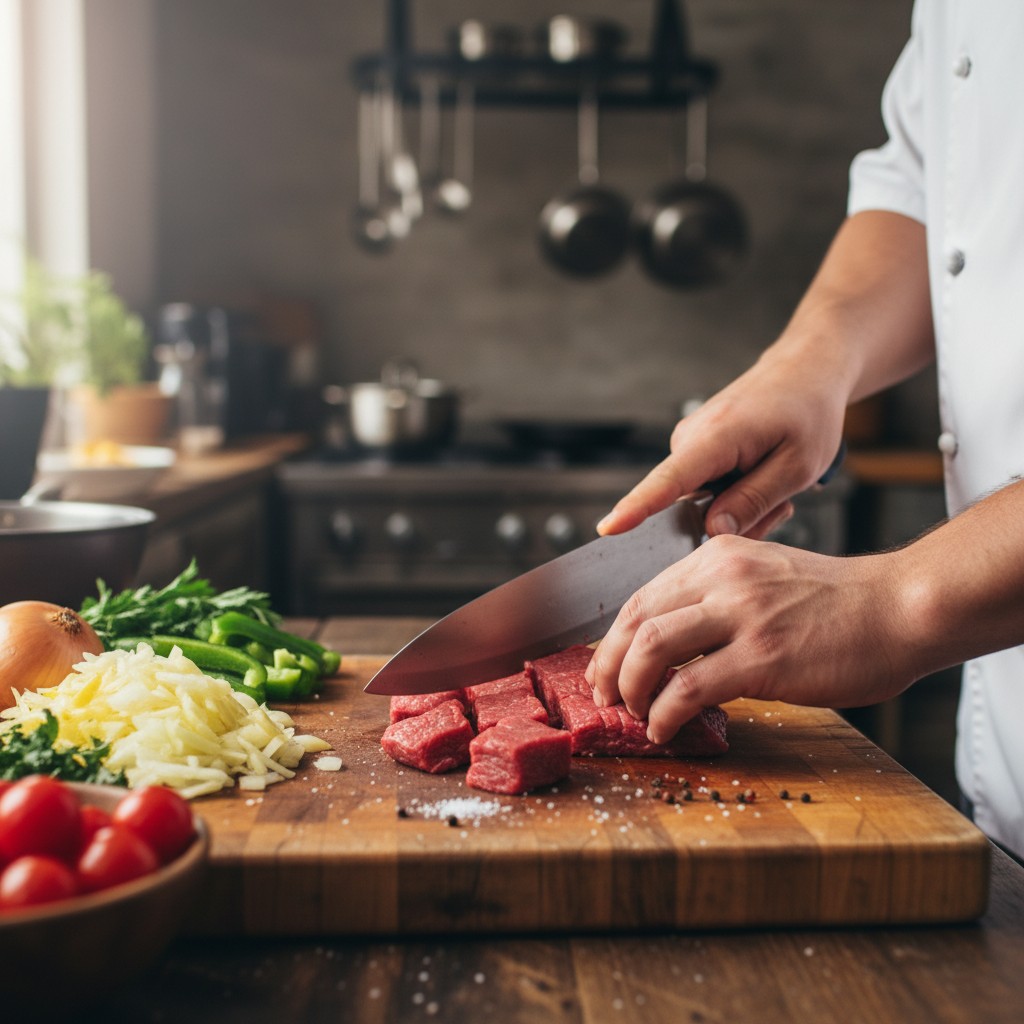
Forget everything you thought you knew about beef empanadas made with common ground meat. The true soul of an authentic Argentine empanada lies in its filling of 'carne cortada a cuchillo'—tender, flavorful beef meticulously diced by hand. This traditional method creates a textural masterpiece, where each bite yields juicy morsels of steak bathed in a savory, spiced broth, a world away from the uniform paste of its ground beef counterpart. It’s a craft, a tradition, and the undeniable hallmark of a superior empanada.
Embarking on a quest for the perfect hand-cut beef empanada is a rewarding culinary journey. The magic isn't just in the filling; it's a symphony of a flaky, buttery crust, a perfectly balanced seasoning blend, and the expert cooking technique that seals in every drop of flavor. From bustling city bakeries to unassuming suburban food trucks, authentic 'empanadas de carne cortada a cuchillo' are hidden gems waiting to be discovered. This guide is your treasure map, packed with 15 insider tips to help you navigate the landscape and pinpoint the most delicious and genuine empanadas near you.
1. Master the 'Cortada a Cuchillo' Meaning
Before you can find the best, you must understand what makes it the best. 'Carne cortada a cuchillo' translates to 'meat cut by knife'. This is the single most important signifier of a traditional, high-quality Argentine beef empanada. Instead of using pre-ground beef, which can be dry and lack texture, chefs painstakingly dice whole cuts of beef into small, uniform cubes. This process ensures the meat retains its natural juices and structure during cooking.
When you bite into an empanada made this way, you experience distinct pieces of tender steak, not a homogenous mush. The spaces between the cubes of meat trap the flavorful 'jugo' (juice), a savory broth typically made from the meat's own drippings, onions, spices, and sometimes a hint of beef stock. This juiciness is the coveted hallmark that separates a good empanada from a truly unforgettable one.
When you're at a restaurant or bakery, don't hesitate to ask if their beef empanadas are 'cortada a cuchillo'. An establishment that practices this traditional method will be proud to confirm it. If the server seems unsure or says it's ground beef, you know you're not in a place that prioritizes this specific, authentic preparation.
2. Prioritize Argentine Bakeries and Restaurants
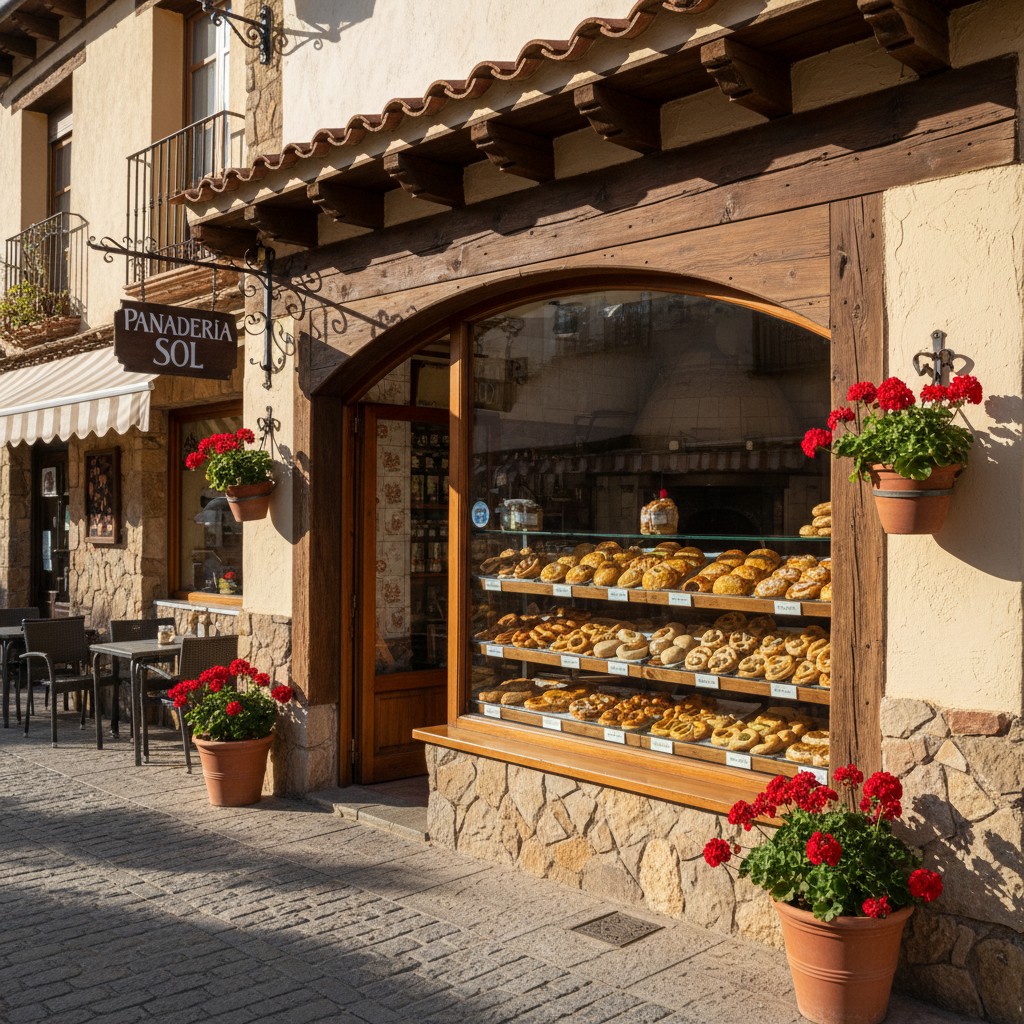
Your search should begin at the most obvious source: local Argentine-owned establishments. These can range from full-service restaurants to humble bakeries ('panaderías') and cafes. These spots are cultural hubs where recipes have often been passed down through generations. The owners and chefs have a deep-seated understanding of the nuances that make an empanada truly Argentine.
Look for places that bill themselves specifically as Argentine, not just 'Latin American' or 'South American'. While many Latin American countries have their own delicious versions of empanadas, the 'carne cortada a cuchillo' style is a distinct Argentine specialty. Check their menus online for specific wording, and browse photos for clues about their authenticity.
A great sign is a menu that offers a variety of classic Argentine fillings. If you see 'carne cortada a cuchillo' listed alongside options like a sweet corn empanada de humita or a savory broccoli and cheese tarta de brócoli, you're likely in the right place. This indicates a kitchen that is well-versed in the country's diverse culinary traditions.
3. Analyze Online Reviews for Key Details
Online reviews on platforms like Google Maps, Yelp, and TripAdvisor are invaluable tools, but you need to read them like a detective. Don't just look at the star rating. Dive into the text of the reviews and search for specific keywords that point to authenticity. Phrases like 'hand-cut beef', 'super juicy', 'flavorful broth', 'flaky crust', and 'just like in Buenos Aires' are all green flags.
Conversely, be wary of reviews that are overly generic ('good food', 'nice place') or those that complain about the empanadas being 'too wet' or 'runny'. A novice diner might mistake the prized 'jugo' for grease or a flaw in the preparation. An authentic empanada de carne should be juicy enough that you need to be careful with the first bite to avoid spilling.
Pay close attention to reviewers who seem to be from Argentina or have traveled there extensively. Their feedback will be the most reliable, as they have a genuine baseline for comparison. They are more likely to comment on the specifics, such as the quality of the beef, the seasoning of the filling, and the texture of the dough, providing you with the granular detail you need.
4. Examine the 'Repulgue' (The Crimp)
The 'repulgue' is the decorative, braided seal along the edge of the empanada. More than just a pretty pattern, it's a signature. In many Argentine kitchens, different repulgue patterns are used to identify different fillings. A uniform, machine-pressed edge often indicates mass production, whereas a distinct, slightly imperfect, handmade braid suggests an artisanal approach.
A well-executed repulgue does more than just look good; it creates a perfect seal to keep the juicy filling from leaking out during the cooking process. If you see empanadas that have burst open or are leaking grease, it could be a sign of a poor seal, an overly dry dough, or an improperly made filling. Look for a clean, tight crimp that holds its shape.
While a fork-pressed crimp isn't necessarily a deal-breaker, the classic twisted 'repulgue' is the gold standard. It takes time and skill to master, and its presence is a strong indicator that the kitchen cares about traditional techniques from start to finish. It’s a small detail that speaks volumes about the overall quality and care put into each empanada.
5. Inquire About the Cut of Beef Used
For a truly superior empanada, the type and quality of the beef matter immensely. Don't be afraid to ask the staff what cut of beef they use for their 'carne cortada a cuchillo'. A passionate chef or knowledgeable owner will be happy to tell you. Common high-quality cuts include top sirloin (nalga), flank steak (vacío), or bottom round (cuadrada).
These cuts are chosen for their balance of flavor and tenderness. They hold up well to the dicing and cooking process, remaining tender and flavorful without turning tough or stringy. If the restaurant uses a premium cut, it's a clear sign they are not cutting corners and are committed to producing a top-tier product.
If the staff can't answer your question or are evasive, it might suggest they are less involved in the sourcing and preparation process. A kitchen that takes pride in its ingredients is one that you can trust to deliver on flavor and authenticity. This level of detail separates the contenders from the pretenders in the world of gourmet empanadas.
6. Evaluate the Sofrito and Seasoning
The beef is the star, but the supporting cast of characters in the filling is just as crucial. A traditional Argentine empanada filling starts with a 'sofrito'—a slow-cooked base of aromatics. This typically includes finely chopped yellow onions, and sometimes red bell peppers, green onions, or even garlic.
The seasoning is what gives the empanada its characteristic flavor profile. Key spices include cumin, sweet paprika, and oregano. Some recipes also call for a touch of spicy paprika or red pepper flakes for a subtle kick. The balance of these spices is key; they should complement the beef, not overpower it. A truly great empanada will have a complex, savory flavor that lingers on the palate.
Many traditional recipes also include hard-boiled egg and green olives, which are added to the cooled meat mixture before filling the dough. The briny pop of the olive and the creamy texture of the egg provide a wonderful contrast to the rich, savory beef. When you find an empanada that includes these elements, it's a strong sign of authenticity.
7. Baked (al Horno) vs. Fried (Frita): Know Your Preference
Argentine empanadas are prepared in one of two ways: baked ('al horno') or fried ('frita'). Neither is more 'authentic' than the other, as both are traditional methods, but they produce very different results, and preferences are often regional and deeply personal. Understanding the difference will help you find your perfect empanada.
Baked empanadas are the most common style found in regions like Buenos Aires. They have a softer, slightly bread-like, and flaky crust, often brushed with an egg wash to give them a beautiful golden sheen. The baking process allows the flavors of the filling to meld together gently. This is often the preferred method for showcasing the juiciness of a 'carne cortada a cuchillo' filling.
Fried empanadas, more popular in northern provinces like Salta and Tucumán, are cooked in hot oil or lard. This creates a bubbly, crispy, and slightly chewy crust that is incredibly satisfying. The intense heat of frying cooks the empanada quickly, sealing the outside. While both are delicious, start with a baked one to truly appreciate the delicate texture of the hand-cut beef, then try a fried one for a different but equally delightful experience.
8. Look for Regional Variations like 'Salteñas'
Argentina is a large country, and empanada recipes vary by province. Being aware of these regional differences can add another layer to your search. The most famous variation of the beef empanada comes from the province of Salta. These 'Empanadas Salteñas' are famously juicy and smaller than their Buenos Aires counterparts.
The key differentiator for Salteñas is the inclusion of diced potatoes in the filling, alongside the hand-cut beef, green onions, and spices. They are also known for being particularly 'jugosas' (juicy), often containing a rich, soupy broth. Some traditional recipes even call for the filling to be chilled until it sets before being placed in the dough to ensure maximum juiciness is retained during cooking.
Another well-known style comes from Tucumán, where the filling often features more green onion and cumin and is typically cooked in beef fat for extra flavor. They are also usually fried. When a restaurant specifies that their empanadas are 'Estilo Salteño' or 'Tucumano', it shows a deep respect for regional culinary traditions and a commitment to authenticity that goes beyond the basics.
9. Don't Underestimate Food Trucks and Market Stalls
Brick-and-mortar restaurants aren't the only places to find exceptional empanadas. Some of the most authentic and lovingly crafted food comes from more humble settings. Keep an eye out for food trucks specializing in Argentine cuisine or stalls at local farmers' markets. These small, often family-run operations can be treasure troves of authenticity.
Food truck owners are often incredibly passionate about their specific craft. They have lower overhead costs than a full restaurant, allowing them to focus on sourcing high-quality ingredients for their core product. They live and die by the quality of their food, so they have a strong incentive to make every single empanada perfect.
Follow local food truck trackers or farmers' market social media pages to see who will be in your area. This is a fantastic way to discover new vendors. A great food truck empanada can be a revelation, proving that a fancy dining room is not a prerequisite for world-class food. It's the perfect on-the-go meal, just as it's often enjoyed in Argentina.
10. Explore the Freezer Section of Latin American Markets
For a convenient at-home option, don't overlook the freezer aisle at specialty Latin American or international grocery stores. Many small, local producers and even some larger Argentine brands package and sell their artisanal empanadas frozen. These are a far cry from the mass-produced versions you might find in a typical supermarket.
Look for packages that clearly state 'carne cortada a cuchillo' and have a simple, recognizable ingredient list. Often, these are made by the same local bakeries and restaurants you might visit in person. They are flash-frozen to preserve their freshness and flavor, allowing you to have a near-restaurant-quality experience right from your own oven.
This is also a great way to stock up. You can bake them one at a time for a quick lunch or a dozen for a party. It gives you the flexibility to enjoy a top-quality empanada whenever the craving strikes. Just be sure to follow the baking instructions carefully to achieve that perfect golden crust and hot, juicy interior.
11. Order a Variety to Test Overall Quality
A kitchen that excels at one type of empanada is likely to excel at others. When you find a promising spot, don't just order the beef. Order a small variety to get a broader sense of the chef's skill. A classic test is to order the 'carne cortada a cuchillo' alongside a vegetarian option.
An excellent choice for comparison is the empanada de humita, a creamy sweet corn filling that requires a completely different technique. If both the rich, savory beef and the sweet, creamy corn empanadas are perfectly executed, you've found a truly special place. It shows versatility and a commitment to quality across the board.
Some places might also offer a Spanish-style tuna empanada. While distinct from the Argentine tradition, comparing it to a classic empanada de atún can give you more insight into the kitchen's range. A place that masters multiple styles is a culinary gem worth returning to again and again.
12. Assess the Dough-to-Filling Ratio
Balance is everything. The most flavorful filling in the world can be ruined by a dough that is too thick, and the flakiest dough is a disappointment if it's mostly air inside. The ideal empanada has a generous amount of filling, with a crust that is just substantial enough to contain it without being doughy or heavy.
When you bite into the empanada, you should get a mouthful of both crust and filling. The crust should be a perfect vessel, providing texture and a subtle buttery or savory flavor that complements the interior. If you find yourself eating through an inch of dough before you reach the filling, the ratio is off.
This is another area where handmade empanadas shine. An experienced empanada maker knows exactly how thin to roll the dough and how much filling to add to create that perfect harmony. It’s an intuitive skill that machines can't replicate, resulting in a satisfying bite every time.
13. Look for Authentic Accompaniments
While a great empanada needs no help, the traditional accompaniments can elevate the experience and signal authenticity. The most common and beloved condiment served with empanadas in Argentina is chimichurri sauce. This zesty, herbaceous sauce is typically made from parsley, garlic, oregano, olive oil, and red wine vinegar.
A house-made chimichurri is a massive green flag. It shows that the restaurant is not cutting corners and is dedicated to providing a complete, authentic experience. The bright, acidic flavors of the chimichurri cut through the richness of the beef filling beautifully, creating a perfect flavor combination. Some places might also offer a spicier 'salsa llajua,' a Bolivian-style hot sauce that has been adopted in parts of Argentina.
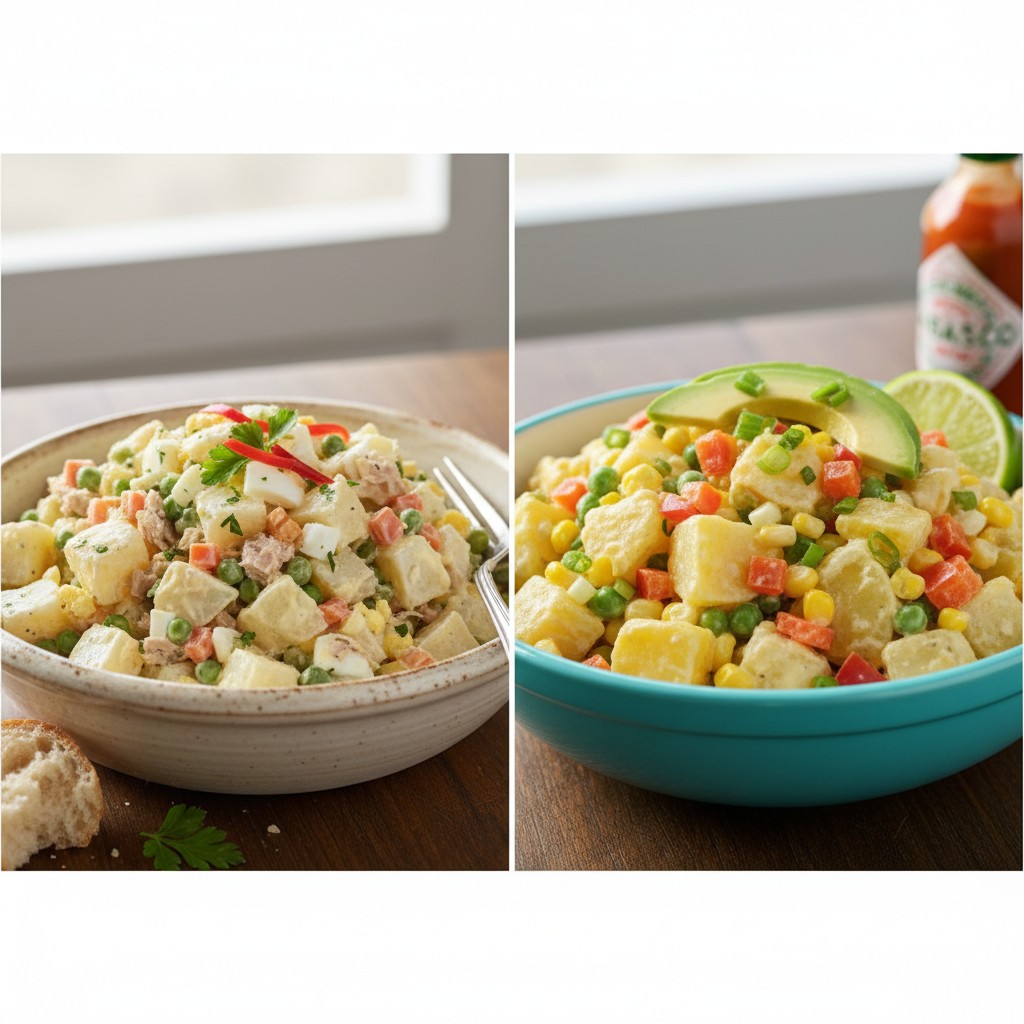
To round out the meal, many Argentines enjoy their empanadas with a simple salad. Ordering a classic Spanish mixed salad of lettuce, tomato, and onion, or even a hearty potato and egg salad can turn a simple snack into a satisfying lunch, balancing the richness of the pastry.
14. Follow Local Food Bloggers and Influencers
Tap into the expertise of your local food scene's most dedicated explorers. Food bloggers, Instagrammers, and TikTok creators who focus on your city or region are constantly on the hunt for the best eats. They often go beyond the well-known spots to uncover hidden gems that you might otherwise miss.
Search for hashtags like #[YourCity]Food, #[YourCity]Eats, or #[YourCity]Empanadas on social media platforms. Look for creators who provide detailed reviews and high-quality photos or videos. They often highlight the specific details we've discussed, such as the juiciness of the filling or the handmade repulgue.
Don't just look at their posts; read the comments. You'll often find a lively discussion among fellow food lovers, with people chiming in to agree with the recommendation or suggest other places to try. This user-generated feedback can be a goldmine of information, leading you to your next favorite empanada spot.
15. Engage with the Staff and Ask for Their Favorite
Finally, one of the best resources available is the people who make and serve the empanadas every day. When you arrive at a promising location, strike up a conversation with the person at the counter or your server. Their passion and knowledge are often the best indicators of quality.
Ask them simple questions like, 'What's your most popular empanada?' or 'Which one is your personal favorite?'. If they immediately and enthusiastically recommend the 'carne cortada a cuchillo', describing its juicy filling and tender beef, you're in good hands. Their pride in the product is a testament to its quality.
This simple interaction can also provide you with other valuable tips. They might recommend trying it with a specific sauce, suggest a wine pairing, or tell you a little story about the recipe's origin. This human connection not only helps you make a better choice but also enriches the entire dining experience, turning a simple meal into a memorable cultural exchange.
Frequently Asked Questions
What exactly is 'carne cortada a cuchillo'?
'Carne cortada a cuchillo' literally translates to 'meat cut by knife.' It's a traditional Argentine method for preparing empanada filling where beef (often a cut like top sirloin or flank steak) is meticulously hand-diced into small cubes instead of being ground. This technique results in a superior texture and a much juicier filling, as the small pieces of steak retain more of their natural moisture and flavor compared to ground meat.
Are empanadas de carne better baked or fried?
Neither method is 'better'—it's a matter of personal preference and regional tradition. Baked empanadas ('al horno') have a softer, flaky, bread-like crust and are common in Buenos Aires. Fried empanadas ('fritas') have a crispy, bubbly, and slightly chewy crust, popular in northern provinces like Salta. For your first time trying a 'carne cortada a cuchillo' empanada, we recommend the baked version to fully appreciate the texture and juiciness of the filling without the added oiliness of frying.
What is the difference between an Argentine empanada and a Spanish empanada?
While they share a name, they are quite different. Argentine empanadas are individual, hand-held pastries, typically with a braided crimp ('repulgue'). The fillings vary, with hand-cut beef being a classic. Spanish empanadas, often called 'Empanada Gallega,' are usually large, rectangular or round pies, similar to a savory tart, that are sliced into portions to be served. A classic Spanish filling is tuna with sofrito, like in the famous <a href="https://mrdetechtive.com/article/best-empanada-de-atún-near-me">empanada de atún</a>.
What side dishes go well with empanadas de carne?
Empanadas de carne are rich and savory, so they pair wonderfully with fresh, acidic sides. The most traditional accompaniment is chimichurri sauce for dipping. For a more complete meal, a simple salad is a perfect choice. A classic <a href="https://mrdetechtive.com/article/best-ensalada-mixta-near-me">Spanish mixed salad</a> with lettuce, tomato, and onion dressed in vinaigrette provides a refreshing contrast. A heartier option could be a flavorful <a href="https://mrdetechtive.com/article/best-ensalada-de-papa-y-huevo-near-me">potato and egg salad</a>.
How can I tell if an empanada is fresh?
A fresh empanada will have a crust that is either perfectly golden and flaky (if baked) or crispy and blistered (if fried), not soggy or greasy. It should be served hot, with a steaming, aromatic filling when you bite into it. The ultimate test for a 'carne cortada a cuchillo' empanada is the juice ('jugo'). A fresh, well-made one will be very juicy inside, so be prepared for a potential drip on the first bite. If an empanada seems dry or lukewarm, it was likely made much earlier and reheated improperly.
Image Source: © MrDetechtive — all photos in this article are the exclusive property of MrDetechtive and may not be reproduced or reused without written permission.