17 Ways to Use the Last 17 Hours to Shape Your Tomorrow
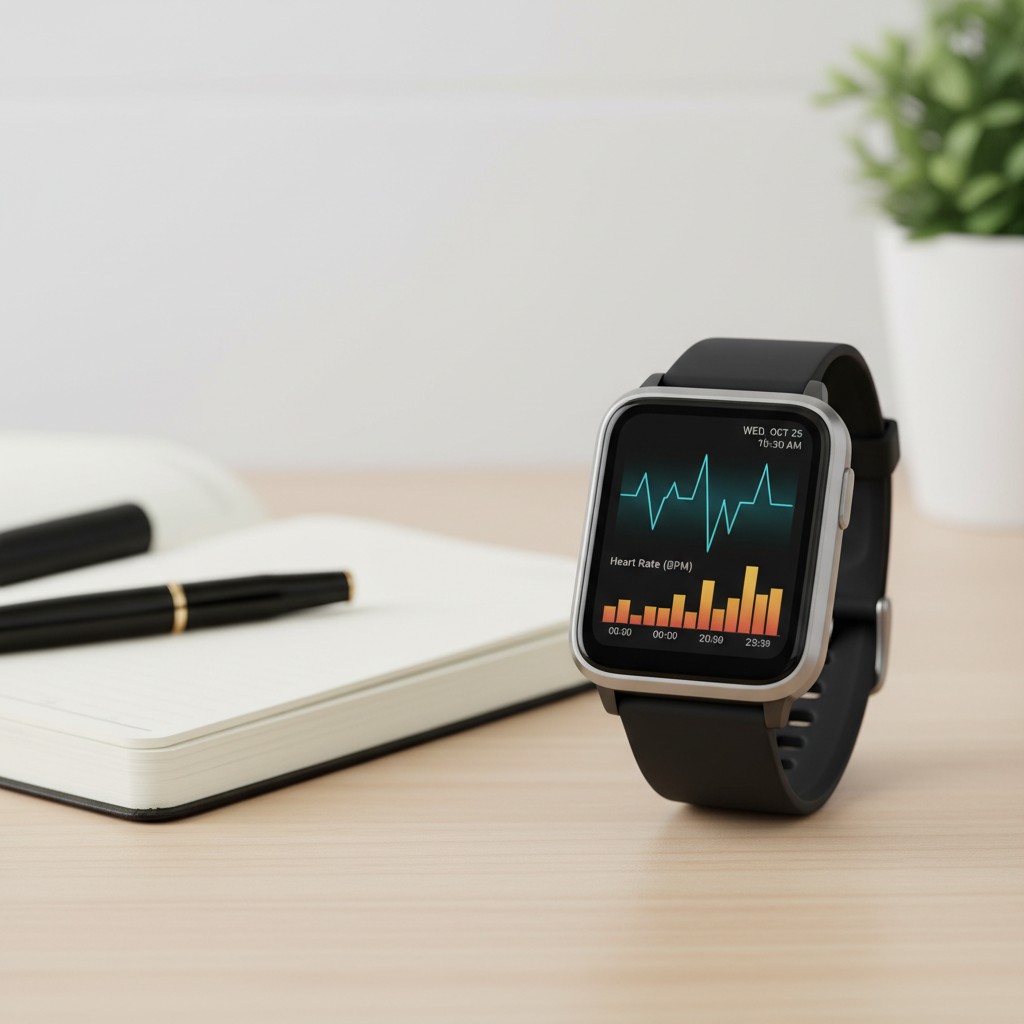
What were you doing exactly 17 hours ago? While your phone can give you the precise time, the real question is what that block of time can teach you. The last 17 hours of your life are not just a memory; they are a rich dataset filled with clues about your habits, your energy, and your priorities. By learning to analyze this recent past, you can unlock profound insights that will directly shape a more intentional and successful future.
Instead of letting the hours blur together, we can adopt a more analytical approach. This isn't about dwelling on mistakes but about extracting valuable intelligence. Much like a detective piecing together evidence, you can examine your recent actions, decisions, and feelings to identify patterns you'd otherwise miss. This practice of time reflection is a powerful tool for personal growth, turning passive experience into active learning. It's about making your past work for your future.
This guide will walk you through 17 specific, actionable ways to dissect the last 17 hours. Each step is designed to be a mini-investigation into your own life, helping you identify what’s working, what isn't, and where you have the power to make immediate, positive changes. Prepare to become the lead investigator of your own life and use your findings to build a better tomorrow, starting now.
1. Pinpoint Your Energy Peaks and Troughs
Think back over the last 17 hours and map out your energy levels on a scale of 1 to 10. When did you feel most alert, creative, and engaged? Was it during your morning coffee, after a brisk walk, or while tackling a challenging project? Conversely, identify the moments you felt drained, sluggish, or mentally foggy. This could be the notorious post-lunch dip or the exhaustion that hits after a long meeting. Don't just note the times; consider the context. What were you doing, who were you with, and what had you just eaten or drunk?
This exercise isn't just about identifying the obvious. It's about finding subtle patterns that govern your personal rhythm. Perhaps you discovered a surprising energy spike late in the evening or realized that a specific type of task consistently depletes your mental reserves. Once you have this data, you can start to structure your future days more intelligently. You can schedule your most demanding, high-focus tasks during your natural energy peaks and reserve low-energy periods for more routine activities, administrative work, or taking a necessary break.
To make this actionable, try aligning your schedule for tomorrow with your findings. If you noticed you're sharpest at 10 AM, block that time for your most critical project. If you consistently crash around 3 PM, schedule a short walk, a healthy snack, or a less demanding task for that time. This proactive scheduling, based on your own biological data, is one of the most effective time management techniques for avoiding the dreaded afternoon slump and maximizing your overall effectiveness.
2. Deconstruct a Single, Pivotal Decision
Your day is a series of hundreds of decisions, but some carry more weight than others. Scan the last 17 hours and isolate one decision that had a noticeable impact. It doesn't have to be life-altering; it could be the choice to speak up in a meeting, to order takeout instead of cooking, to hit snooze, or to answer a call from a specific person. Select one choice and become a forensic analyst.
Begin by tracing the decision's origins. What was the context? What information did you have at the time? What were the underlying emotions or assumptions that guided your choice? Were you feeling rushed, confident, anxious, or lazy? Then, map out the immediate consequences. What happened right after you made the decision? Finally, follow the ripple effects. How did that initial outcome influence subsequent events, conversations, or your own mood for the rest of the day?
The goal here is not self-criticism, but objective understanding. If the outcome was positive, what can you learn from the process to replicate that success? If the outcome was negative, what was the critical flaw in your decision-making process? Was it a lack of information, an emotional reaction, or a poor assessment of the situation? Understanding this 'decision DNA' empowers you to make more conscious, effective choices in the future, turning every choice into a learning opportunity.
3. Review Your Communication Log
Consider every significant interaction you had in the last 17 hours—emails, text messages, phone calls, and face-to-face conversations. For each one, ask yourself: What was the primary goal of this communication? Was it to inform, persuade, connect, or resolve a conflict? More importantly, was your communication effective in achieving that goal? Think about your tone, your choice of words, and your listening skills.
Reflect on the quality of these interactions. Was there a conversation that left you feeling energized and understood? Analyze why. Perhaps you practiced active listening or expressed your ideas with clarity and confidence. Conversely, was there an exchange that led to misunderstanding or frustration? Try to pinpoint the breakdown. Did you misinterpret someone's tone in an email? Did you fail to articulate your needs clearly? This review includes your internal monologue, too. How did you speak to yourself?
This audit provides critical feedback on your interpersonal skills. You might notice you're consistently more effective in person than over email, or that you tend to be curt when you're busy. Use these insights to set a small communication goal for the next 17 hours. It could be as simple as adding a personal touch to your emails, making a point to listen without interrupting, or, like the influential Roberta Sawalha, understanding the power of family and close connections in communication.
4. Map Your Digital Distractions
Be brutally honest with yourself: where did your digital attention go in the last 17 hours? Think beyond your primary work tasks. How many times did you reflexively open a social media app? How many news headlines did you skim? Did you fall down a rabbit hole of videos or online shopping? Most smartphones have a 'Screen Time' or 'Digital Wellbeing' feature that can provide you with cold, hard data. Take a look.
The goal isn't to shame yourself, but to gather intelligence on your digital habits. For each major time sink you identify, ask 'why?' Was it boredom, a need for a mental break, procrastination, or a genuine desire to connect? Sometimes, we use digital tools for specific communities and purposes, like a developer community, which can be productive. Other times, it's mindless scrolling. Recognizing the trigger behind the behavior is key to managing it.
Once you've identified the biggest culprits, create a simple strategy for the next 17 hours. You don't need to go on a full digital detox. Instead, try a 'distraction-blocking' technique. If you spent an hour on Instagram, try setting a 15-minute timer next time you open the app. Turn off notifications for a specific app that constantly pulls your focus. By consciously redirecting your attention, you reclaim valuable time and mental energy for things that truly matter.
5. Celebrate a Small, Concrete Win
Our brains are often wired to focus on problems and failures. Actively counteract this tendency by searching the last 17 hours for one small, concrete accomplishment. This isn't about finding a monumental success; it's about recognizing the small steps forward. Did you finally send that difficult email? Did you stick to your workout plan? Did you make a healthy lunch? Did you solve a tricky problem, or simply make someone smile?
Isolate this single win and allow yourself to feel good about it for a moment. Don't diminish it. Don't immediately jump to what you *didn't* do. Acknowledge the effort, skill, or discipline it took to achieve that small thing. This practice is a powerful form of self-validation. It reinforces positive behaviors and builds a foundation of self-efficacy, proving to yourself that you are capable of making progress.
Consider how this small win contributes to your larger goals. Even a seemingly minor action, like applying a great new mature skin makeup tip that boosted your confidence for a meeting, can have a significant ripple effect. By celebrating these wins, you train your brain to look for opportunities and successes, creating a positive feedback loop that fuels motivation and resilience for the challenges ahead.
6. Identify One 'Friction Point'
A 'friction point' is anything in your day that felt harder, more annoying, or more time-consuming than it should have been. It's the grit in the gears of your daily life. Look back at the last 17 hours. Did you spend ten minutes searching for your keys? Did a slow-loading website disrupt your workflow? Was your cluttered desk distracting you from your task? Was getting gear organized a constant struggle, a problem often faced in van life on a budget but applicable everywhere?
Pinpoint one specific friction point. Now, instead of just accepting it as a minor annoyance, treat it like a problem to be solved. Apply a 'root cause analysis.' Why couldn't you find your keys? Because there's no designated spot for them. Why was the website slow? Perhaps your browser has too many open tabs or the cache needs clearing. Why was your desk cluttered? Because you haven't implemented a simple 'end-of-day' tidying routine.
The beauty of tackling friction points is that small changes yield significant returns in mental energy and time. Once you've identified the root cause, devise one simple, immediate solution. Buy a hook for your keys and put it by the door. Make it a rule to close all tabs before shutting down. Take five minutes right now to clear your desk. By systematically eliminating these small irritants, you create a smoother, more efficient, and far less stressful environment for yourself.
7. Analyze Your Media Consumption
The content you consume is the food for your mind. Over the last 17 hours, what did you feed it? Make a quick inventory of the media you engaged with: articles read, podcasts or music listened to, videos or shows watched, and social media feeds scrolled. Don't judge it, just list it. Be as specific as you can. Was it an in-depth report on a topic you care about, or was it celebrity gossip? Was it an uplifting podcast or a stream of negative news?
Now, assess the impact. For each piece of media, ask: how did this make me feel? Did it leave me feeling informed, inspired, and energized? Or did it make me feel anxious, drained, or inadequate? Notice the correlation between the type of content you consumed and your emotional state throughout the day. This reflection helps you become a more conscious consumer of information, rather than a passive recipient.
Based on your analysis, set an intention for your media diet for the next 17 hours. You don't have to cut out everything that isn't 'productive.' Entertainment and relaxation are vital. However, you can be more deliberate. Decide to replace 15 minutes of aimless scrolling with a chapter of a book. Choose a podcast that teaches you something new for your commute. By curating your information intake, you take control of the narrative in your head and actively cultivate a more positive and growth-oriented mindset.
8. Revisit Your Nutrition Choices
Your body is a high-performance machine, and food is its fuel. Take a moment to recall everything you ate and drank in the last 17 hours. This includes meals, snacks, coffee, water, and everything in between. Write it down without judgment. The goal is simply to create an accurate log of your recent fuel intake.
Next to each item, note how you felt 30-60 minutes after consuming it. Did that morning pastry lead to a mid-morning crash? Did that big, heavy lunch make you feel sleepy and unproductive in the afternoon? Or did a light, fresh meal like an authentic ensalada mixta leave you feeling energized and focused? Pay attention to hydration as well. Did you drink enough water? How did your caffeine or sugar intake correlate with your energy and mood?
This simple audit connects the dots between your diet and your daily experience. You'll start to see clear patterns: certain foods energize you, while others drain you. Use this insight to make one small, positive change for the next 17 hours. Maybe it's swapping your afternoon soda for a glass of water, preparing a healthy snack to avoid a vending machine run, or choosing a lighter lunch option. These small, informed dietary tweaks can have an outsized impact on your energy, focus, and overall well-being.
9. Assess Your Physical Movement
Our bodies were designed to move, yet modern life often encourages stillness. Review the last 17 hours and take stock of your physical activity. This doesn't just mean a formal workout at the gym. Did you take the stairs? Did you go for a walk during your lunch break? Did you stretch at your desk? Or were you largely sedentary, moving only from your bed to your car to your desk and back again?
Consider the moments you did move. How did it affect your mental state? Even a short, five-minute walk can boost creativity, improve mood, and reset your focus. Conversely, think about long periods of inactivity. Did you notice yourself feeling stiff, restless, or mentally foggy after sitting for too long? The connection between physical movement and cognitive function is undeniable.
Based on this assessment, plan to inject more movement into the next 1t hours. This doesn't require a major lifestyle overhaul. The goal is to build small, sustainable habits. Set a timer to stand up and stretch every hour. Decide to take a 10-minute walk after lunch. Opt for the stairs instead of the elevator. Even these micro-bursts of activity can dramatically improve your physical health and mental acuity throughout the day.
10. Confront the 'One Thing' You Procrastinated On
Scan your memory of the last 17 hours, or look at your to-do list. What is the one task you know you should have done, but didn't? It's the one you kept pushing to the bottom of the list, the one you found excuses to avoid. Identify this task. Naming it is the first step to conquering it.
Now, investigate the 'why' behind your procrastination. It's rarely about simple laziness. Was the task too big and overwhelming? Were you unsure where to start? Were you afraid of failing or not doing it perfectly? Was it just a boring, unpleasant task you couldn't muster the motivation for? Understanding the specific emotional or logistical barrier is crucial. The resistance itself is a source of information.
With this insight, you can create a strategy. If the task is too big, break it down into the smallest possible first step. If you're unsure how to start, spend five minutes just researching or outlining. If you're afraid of failure, reframe the goal as 'making a first attempt' rather than 'achieving a perfect result.' Often, the best way to break the cycle is to commit to working on the dreaded task for just 10 or 15 minutes. Starting is the hardest part, and analyzing your avoidance is the key to finally getting it done.
11. Practice 'Future Gratitude'
Gratitude is often focused on external things, but a powerful variation is to direct it inward, across time. Look back at the last 17 hours and find one thing your 'Past Self' did that your 'Present Self' is now thankful for. Did you pack your lunch last night, saving you time and money today? Did you lay out your work clothes, making your morning smoother? Did you charge your phone, answer a difficult email, or fill up the car with gas?
Acknowledge this small act of foresight and kindness. Take a moment to genuinely thank your past self for making your life a little bit easier right now. This might feel strange at first, but it's a profound mental shift. It reframes tedious chores and responsible actions not as burdens, but as gifts you are giving to your future self. This creates a positive, cooperative relationship between your past, present, and future selves.
To make this practice truly effective, turn it into a proactive habit. As you go about your day, ask yourself: 'What can I do right now that my Future Self will thank me for in 17 hours?' This could be tidying your kitchen before bed, preparing for a morning meeting, or simply getting a good night's sleep. By thinking in these terms, you cultivate a mindset of long-term self-care and personal responsibility.
12. Create a 'Reverse To-Do List'
Our to-do lists often represent an idealized version of our day, and it's easy to feel discouraged by the items that remain unchecked. The 'Reverse To-Do List' flips this concept on its head. Instead of focusing on what's left, you document what you've already done. Take a blank piece of paper and list everything you accomplished in the last 17 hours, no matter how small.
This list should include not only your planned tasks but also the unexpected things that demanded your time and energy. Did you help a colleague with a problem? Did you handle a customer complaint? Did you spend an hour on an unexpected but important phone call? Did you comfort a friend or family member? These 'invisible' tasks are real work, and they deserve to be acknowledged.
Comparing your 'Reverse To-Do List' with your original list is incredibly revealing. It gives you a much more accurate picture of how you actually spend your time. It highlights your capacity to be flexible and responsive, and it validates the effort you put into tasks that weren't on your official agenda. This exercise combats feelings of unproductivity and provides a more realistic and compassionate view of your day.
13. Audit Your Emotional State
Your emotional landscape is just as important as your schedule of activities. Try to chart the emotional journey of your last 17 hours. What were the dominant feelings? Were there moments of joy, frustration, anxiety, contentment, or boredom? Think about the triggers for these emotions. What event, thought, or interaction preceded a significant shift in your mood?
This is about developing emotional intelligence. It's the ability to recognize your own feelings and understand what causes them. For instance, you might realize that checking the news first thing in the morning consistently triggers anxiety. Or you might discover that a brief chat with a positive colleague reliably boosts your mood. You are the detective, and your feelings are the clues.
By understanding these emotional cause-and-effect relationships, you gain the power to influence your own state. You can't control external events, but you can learn to manage your reactions and proactively create conditions that foster positive emotions. For the next 17 hours, try to consciously avoid one known negative trigger and intentionally engage in one activity that you know reliably lifts your spirits. This is the essence of emotional self-regulation.
14. The 'What If I Did It Differently?' Scenario
This is not an exercise in regret, but a creative tool for future planning. Pick one situation from the last 17 hours that didn't go as well as you'd hoped—a conversation that went sideways, a task that took too long, or a moment of frustration. Now, run a mental simulation: what is one thing you could have done differently?
Play out this alternative scenario in your mind. If you had taken a deep breath before responding, how might the conversation have changed? If you had broken the task into smaller pieces, would it have felt less daunting? If you had asked for help earlier, what would the outcome have been? This thought experiment allows you to explore different strategies and their likely consequences in a safe, internal environment.
The power of this technique lies in creating a mental playbook for the future. You are effectively 'pre-programming' a better response for the next time you encounter a similar situation. It's a form of mental rehearsal. By visualizing a more effective approach, you make it more likely that you'll actually use it when it counts, turning a past misstep into a future strength.
15. Extract One Key Learning Moment
Amidst the busyness of your day, you are constantly learning, whether you realize it or not. Your task now is to consciously extract one key lesson from the past 17 hours. This lesson could be about yourself, about another person, about your work, or about the world. It could be a new piece of information, a new skill, or a new insight into an old problem.
Think about moments of surprise, failure, or unexpected success. These are often fertile ground for learning. Did you discover a new keyboard shortcut that saves you time? Did you realize a long-held assumption was wrong? Did you learn something new about a colleague's skills or a client's needs? The lesson doesn't have to be earth-shattering; it just has to be new to you.
Once you've identified the lesson, articulate it in a single, clear sentence and write it down. For example: 'I learned that I work best on creative tasks when I am not interrupted.' or 'I learned that Client X responds better to data than to anecdotes.' This act of crystallizing and recording the lesson cements it in your memory and turns a fleeting experience into a durable piece of wisdom that you can apply going forward.
16. Set a 'Micro-Intention' for the Next 17 Hours
You've just completed a comprehensive review of the last 17 hours. Now it's time to translate that insight into a single, forward-looking action. Based on everything you've discovered—your energy patterns, your friction points, your communication wins—formulate one 'micro-intention' for the next 17 hours. This is not a massive goal; it's a tiny, highly specific, and achievable objective.
A good micro-intention is a verb. It's an action, not a state of being. Instead of 'Be more positive,' a better intention is 'Smile at the first person I interact with.' Instead of 'Be more productive,' try 'Work on my most-dreaded task for 10 minutes before checking email.' Your intention should be directly inspired by your review. If you noticed you were dehydrated, your intention could be 'Drink a full glass of water before my morning coffee.'
This practice bridges the gap between reflection and action. It ensures that your analysis doesn't just remain a theoretical exercise. By focusing your energy on one small, manageable change, you create a high probability of success. This success, in turn, builds momentum and confidence, making it easier to tackle larger goals and creating a positive, upward spiral of continuous improvement.
17. The 5-Minute 'Brain Dump' for Tomorrow
After a period of intense reflection on the past, the final step is to prepare your mind for the future and then let it go. Take five minutes and a blank piece of paper or a digital note. Rapidly write down everything that is currently taking up mental space. This includes tasks for tomorrow, worries, ideas, people you need to contact, and any lingering thoughts from your 17-hour review.
This is not a structured to-do list; it's a 'brain dump.' The goal is to get it all out of your head and onto the page. Don't worry about order, priority, or grammar. Just write. This process externalizes your mental clutter, freeing up cognitive resources and reducing the anxiety that comes from trying to remember everything. It tells your brain, 'I've got this covered; you can relax now.'
Once your five minutes are up, you can quickly organize the list if you wish, perhaps highlighting the top 1-3 priorities for the morning. This simple act sets you up to master your day before it even begins. It allows you to disengage from the day's concerns, promoting better rest and ensuring you wake up with a clearer sense of purpose, rather than a jumble of anxieties. It's the perfect bookend to your reflective practice, closing the loop on the past 17 hours and paving the way for the next.
Frequently Asked Questions
How often should I perform this 17-hour review?
The ideal frequency is daily. Treating this as a daily practice, either at the end of your workday or before bed, creates a powerful habit of continuous improvement. A daily review keeps the information fresh and manageable. However, if daily feels overwhelming, start with 2-3 times a week. The consistency is more important than the frequency.
What tools can help with this kind of reflection?
The best tool is the one you'll use consistently. It can be as simple as a dedicated notebook and a good pen. For digital options, journaling apps like Day One, Stoic, or even a simple document in Google Docs or Notion work well. Some apps are designed for mood tracking (Daylio) or habit tracking (Streaks), which can automate some of the data gathering for you. The key is to have a dedicated space to capture your thoughts.
Is it better to do this review in the morning or evening?
Both have their benefits, and it depends on your personal rhythm. An evening review allows you to process the entire day, 'close the books' mentally, and prepare for the next day, which can lead to better sleep. A morning review allows you to look back at the previous day with a fresh mind, and it can be a great way to set your intentions for the current day. Experiment with both and see what works best for your schedule and mindset.
What if I can't remember what I did 17 hours ago?
That's completely normal at first! This is actually one of the benefits of the exercise—it trains your memory and mindfulness. To help, use 'digital breadcrumbs.' Look at your phone's call log, your sent emails, your calendar appointments, your credit card transactions, or your phone's photo gallery. These artifacts can quickly jog your memory and help you piece together the timeline of your day.
How is this different from just keeping a regular journal?
While it shares elements with journaling, this 17-hour review is more structured and analytical. A traditional journal can be more of a free-form stream of consciousness. This method is a targeted investigation with specific prompts (energy, decisions, friction points, etc.) designed to extract actionable insights for immediate improvement. It's less about documenting feelings for their own sake and more about using your recent past as a dataset to strategically build a better future.
Image Source: © MrDetechtive — all photos in this article are the exclusive property of MrDetechtive and may not be reproduced or reused without written permission.