15 Pro Tips for Finding the Best Mate de Coca
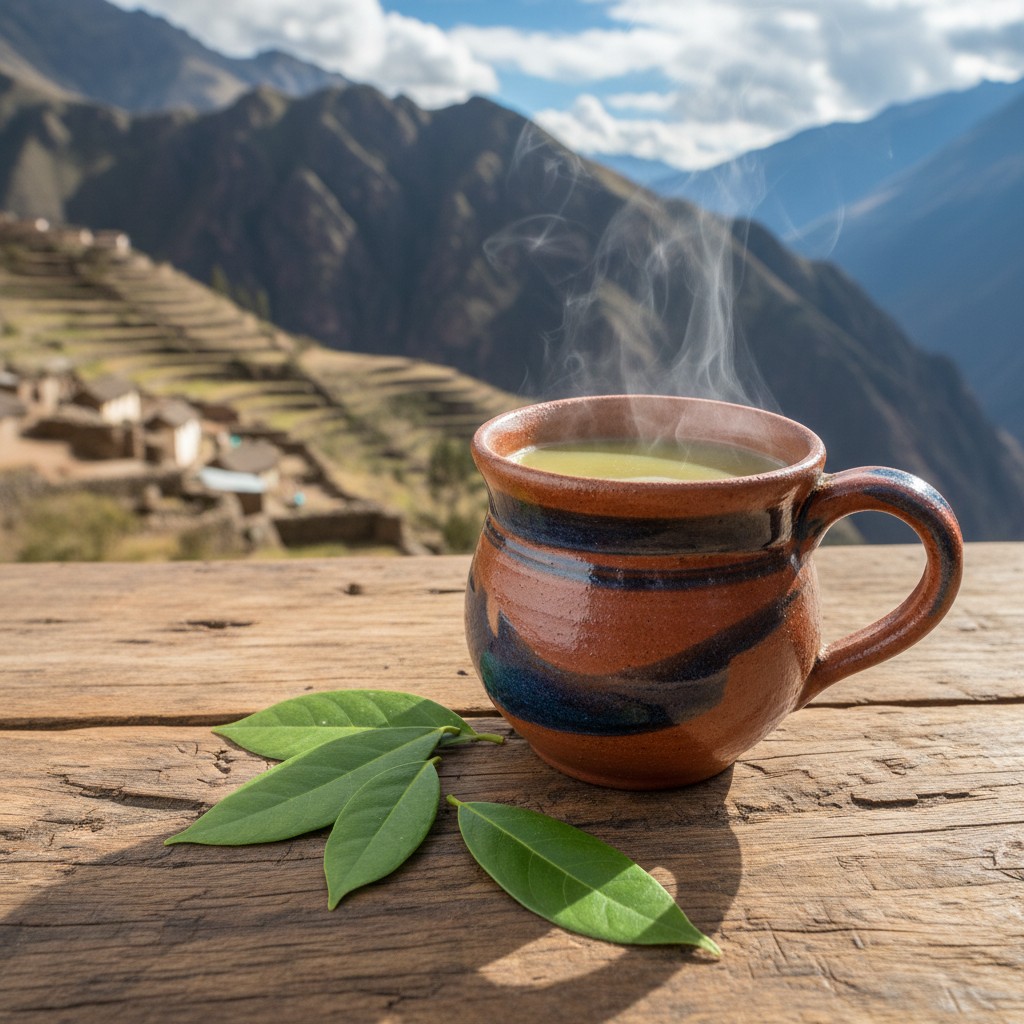
Step off the plane in Cusco or La Paz, and the first thing you'll notice isn't the stunning colonial architecture, but the thinness of the air. At these altitudes, the ancient peaks of the Andes command respect, and for centuries, locals have turned to a sacred leaf for relief: mate de coca. This humble herbal tea is more than just a beverage; it's a cultural cornerstone, a traditional medicine, and a welcoming gesture rolled into one.
But how do you find the real deal? In a world of tourist traps and commercialized teabags, finding authentic, high-quality mate de coca can feel like a quest in itself. This guide is your map. We're going beyond the simple search for the 'best mate de coca near me' to uncover the secrets of sourcing, preparing, and truly appreciating this remarkable Andean tradition. Whether you're preparing for a high-altitude trek or are simply curious about this storied infusion, these tips will ensure your experience is as genuine as the leaves themselves.
1. Understand What Mate de Coca Truly Is
Before you begin your search, it's crucial to understand what mate de coca is—and what it isn't. It is a mild, stimulating herbal tea made by steeping raw, dried leaves of the coca plant in hot water. For millennia, indigenous Andean communities have revered the coca leaf for its medicinal properties and nutritional value, using it to combat fatigue, hunger, and, most famously, altitude sickness (soroche). It's a cornerstone of daily life and social rituals, deeply woven into the cultural fabric of Peru, Bolivia, and parts of Colombia, Ecuador, and Argentina.
Crucially, mate de coca is not cocaine. While the coca leaf does contain the alkaloid from which cocaine is chemically extracted, the amount in a single cup of tea is minuscule (around 4-5 mg). The process of chewing the leaves or drinking the tea provides a gentle stimulant effect, similar to a cup of coffee, but without the jitteriness. It is not addictive and does not produce a 'high'. Understanding this distinction is key to appreciating the tea for its cultural and medicinal value, separate from the illicit drug it's unfortunately associated with.
When you seek out mate de coca, you are participating in a tradition that predates the Inca Empire. It's a gesture of hospitality when offered in a home and a sign of respect for nature when used in ceremonies. Approaching it with this understanding will transform your experience from a simple beverage tasting to a deeper cultural immersion. Remember, you are consuming a piece of Andean history.
2. Seek Authenticity in the Andes
The phrase 'best mate de coca near me' takes on a very specific meaning here: you need to be near the Andes. The most authentic and highest-quality coca leaves are grown and sold in the regions where they are a traditional part of the culture. This means your best bet is to be in countries like Peru, Bolivia, or Ecuador. In cities like Cusco, Arequipa, La Paz, or Quito, mate de coca is ubiquitous and an integral part of daily life.
While you might find processed, commercial teabags labeled 'coca tea' in other parts of the world, these often pale in comparison to the real thing. The flavor is often weaker, and the leaves may be of lower quality. The true experience involves using whole, dried leaves. The journey of finding and preparing it yourself is part of the cultural experience, connecting you directly to the local environment and its traditions.
When in the Andes, embrace the local way. Instead of heading to a generic supermarket, make your way to a local 'mercado' or market. Not only will you find the freshest leaves, but you'll also be supporting local farmers and vendors. This is where you can observe how locals buy and use the leaves, turning a simple purchase into an enriching travel experience. The search for great tea becomes an adventure in itself.
3. Prioritize Fresh, Whole Leaves Over Teabags
The single most important factor in the quality of your mate de coca is the form of the leaves themselves. While pre-packaged teabags are convenient and widely available in Andean hotels and tourist shops, they are the instant coffee of the coca world. For a truly authentic and potent brew, you must seek out whole, dried coca leaves. These leaves retain more of their essential oils, alkaloids, and, most importantly, their complex flavor profile.
Whole leaves allow you to control the strength and taste of your infusion. You can add more or fewer leaves depending on your preference, something you can't do with a pre-portioned teabag. The visual and aromatic experience of steeping whole leaves is also part of the ritual; watching them unfurl in the hot water and release their earthy scent is a far more satisfying process. Teabags often contain 'fannings'—the dust and broken bits of leaves—which can result in a bitter or less nuanced flavor.
When buying whole leaves, look for a vibrant, consistent green color and a strong, fresh, slightly sweet aroma. Avoid leaves that are brownish, brittle, or smell dusty, as they are likely old. The best vendors will sell leaves that are mostly intact. This attention to quality is what separates a mediocre cup from a truly restorative and enjoyable one.
4. Visit Local Markets (Mercados)
To find the best coca leaves, go where the locals go: the 'mercado'. Markets like the famous Mercado de San Pedro in Cusco or the Mercado de las Brujas (Witches' Market) in La Paz are treasure troves. Here, you'll find vendors, often indigenous women, who have been selling coca leaves and other traditional herbs for generations. They can be your greatest resource.
Don't be intimidated. Approach a stall with a friendly 'buenos días' and express your interest. You can simply ask for 'hojas de coca para mate'. Vendors will typically sell them by weight or in pre-portioned bags. This is also a fantastic opportunity to practice your Spanish and engage in a genuine cultural exchange. The market environment is a feast for the senses and provides a rich context for the tea you're about to enjoy. While you're there, you might also discover other local delicacies, perhaps even the ingredients for a traditional carapulcra recipe.
Buying from a market vendor ensures you're getting a fresh product that hasn't been sitting on a tourist shop shelf for months. You are also directly supporting the local economy and the small-scale farmers who cultivate the leaves. Observe the transaction, see how much a typical bag costs, and enjoy being part of the daily rhythm of Andean life. It’s an experience far more memorable than picking a box off a shelf.
5. Learn the Proper Brewing Technique
Brewing mate de coca is simple, but there's a right way to do it to maximize flavor and benefits. The most common mistake is using boiling water. Water that is too hot can scorch the delicate leaves, resulting in a bitter, unpleasant taste. The ideal temperature is just before boiling, around 80-85°C (175-185°F). If you don't have a thermometer, simply bring the water to a boil and then let it sit for a minute or two to cool slightly.
To prepare the tea, place a small handful of whole coca leaves (about 10-15 leaves) directly into your mug. There's no need for an infuser; the leaves will sink to the bottom. Gently pour the hot (not boiling) water over the leaves and let them steep. The traditional method involves simply leaving the leaves in the cup and refilling it with hot water as you drink, much like with yerba mate.
Let the tea steep for about 4-5 minutes for the first infusion. You'll notice the water turning a light greenish-yellow color. The flavor should be earthy, slightly vegetal, and subtly sweet. You can get several infusions from the same set of leaves, with the flavor evolving slightly each time. Many locals chew on the steeped leaves after drinking the tea for continued benefits.
6. Understand the Ritual of Chewing (Acuyicu)
While drinking mate de coca as a tea is common, especially among tourists and in urban settings, the most traditional way to consume coca is by chewing the leaves. This practice, known as 'acuyicu' in Quechua, involves creating a quid (a ball of leaves) that is tucked into the cheek. This method provides a slower, more sustained release of the leaf's active compounds.
To chew the leaves properly, you don't actually chomp on them. Instead, you select a good number of leaves, remove the tough central veins, and place them in your mouth. To activate the alkaloids, a catalyst called 'llipta' or 'tocra' is added. This is a small block or powder made from alkaline substances, typically the ashes of the quinoa plant. The alkaline substance helps extract the active ingredients from the leaves as they are moistened with saliva.
Observing or being invited to share coca leaves for chewing is a sign of friendship and respect. If you're offered leaves on a trek or by a local, it's a significant gesture. While it's an acquired taste and sensation, trying it offers a much deeper insight into the plant's role in Andean life than just drinking the tea. It's the fuel of miners, the meditation of farmers, and the social bond of communities.
7. Recognize the Signs of Quality Leaves
Not all coca leaves are created equal. Just as with wine grapes or coffee beans, factors like origin, harvest time, and drying method heavily influence the final quality. When you're at a market stall, use your senses to assess the product before you buy. The first indicator is color. Look for leaves that are a consistent, vibrant shade of green. A deep, rich green suggests they are fresh and were dried properly, preserving their properties.
Avoid bags of leaves that appear yellowish, brown, or have many dark spots. This discoloration can indicate that the leaves are old, were harvested improperly, or have been damaged by moisture or sun. The physical integrity of the leaves is also important. While some breakage is inevitable, the bag should contain mostly whole or large pieces of leaves, not a fine powder or dust. Dusty, broken leaves will result in a gritty, bitter tea.
Finally, trust your nose. Ask the vendor if you can smell the leaves. Fresh, high-quality coca has a distinct aroma that is earthy, slightly grassy, and subtly sweet. It should smell pleasant and 'green'. If the leaves smell dusty, musty, or have no scent at all, it's best to move on to another vendor. Taking a moment to assess these qualities ensures you're buying a product that will yield a delicious and effective mate.
8. Harness its Power Against Altitude Sickness (Soroche)
Perhaps the most celebrated benefit of mate de coca is its effectiveness in mitigating the effects of altitude sickness, known locally as 'soroche'. This condition, which can include symptoms like headaches, nausea, dizziness, and fatigue, affects many travelers visiting high-altitude destinations like Cusco (3,399m) or La Paz (3,640m). The coca leaf works as a mild stimulant and a vasodilator, which means it helps to improve the circulation of oxygen in the blood.
Upon arriving at a high-altitude location, one of the first pieces of advice you'll receive from locals is to drink mate de coca. Hotels often provide it for free in their lobbies for this very reason. Drinking the tea helps your body acclimatize more gently. It can help alleviate the pounding headaches and general lethargy associated with soroche, allowing you to enjoy your trip from day one. It's a natural, gentle remedy that has been trusted for generations.
For best results, start drinking the tea as soon as you arrive and continue to have a few cups each day for your first couple of days at altitude. It's also a great way to stay hydrated, which is crucial for acclimatization. While it's not a magical cure-all and severe cases of altitude sickness require medical attention, for the common, mild symptoms most travelers experience, mate de coca is an indispensable and effective ally.
9. Observe the Ritual of 'Pachamama'
In the Andes, drinking mate de coca can be more than just personal consumption; it can be a small ceremony. One of the most beautiful traditions you might observe is the offering to 'Pachamama', or Mother Earth. Before taking the first sip of a drink (be it mate de coca, beer, or chicha), many people will spill a small amount onto the ground. This is a gesture of reciprocity and respect, giving back to the earth before taking for oneself.
This ritual is a physical manifestation of the Andean worldview, where everything is interconnected and a balance must be maintained between humanity and nature. Participating in this small act, even if you are just a visitor, shows a deep respect for the local culture and its beliefs. If you are sharing a cup with a local guide or family, watch what they do. If they make an offering, it's a beautiful sign of respect to do the same.
This simple act transforms the tea from a mere commodity into a spiritual and cultural connection. It encourages a moment of mindfulness and gratitude. By taking part, you are acknowledging the land from which the leaves came and the culture that has nurtured this tradition for thousands of years. It’s a small detail that adds immense depth to the experience.
10. Know the Law: Legality Outside the Andes
This is arguably the most critical piece of information for any traveler. While coca leaves are legal and widely consumed in Peru and Bolivia, their legal status changes dramatically the moment you cross an international border. The coca leaf is listed on Schedule I of the UN Single Convention on Narcotic Drugs. This means that in most countries, including the United States, Canada, the UK, and all of Europe, possessing raw coca leaves is illegal and can carry severe penalties.
Do not, under any circumstances, attempt to bring whole coca leaves or traditional mate de coca teabags back home with you. Airport security and customs are trained to detect them, and pleading ignorance will not be a valid defense. It is simply not worth the risk of a fine, arrest, or a criminal record. Enjoy mate de coca to your heart's content while you are in the Andes, but leave it there when you depart.
What about the teabags sold internationally or online? These products are legal because they have undergone a 'decocainization' process to remove the cocaine alkaloids. Brands like Windsor and Delisse are popular examples. While they offer a semblance of the flavor, they lack the full spectrum of compounds and the traditional significance of the whole leaf. They are a safe and legal alternative for when you're back home, but they are a different product from the authentic leaves you'll find in a Peruvian market.
11. Don't Confuse it with Yerba Mate
It's a common point of confusion for travelers, but mate de coca and yerba mate are two completely different beverages. The similar-sounding names are the only thing they really have in common. Understanding the difference is key to appreciating each on its own terms. Mate de coca, as we've discussed, is an infusion of leaves from the coca plant (Erythroxylum coca) and is central to Andean culture.
Yerba mate, on the other hand, is made from the leaves of a species of holly tree (Ilex paraguariensis) native to the subtropical regions of South America. It is the cultural beverage of Argentina, Uruguay, Paraguay, and southern Brazil. It is prepared in a hollow gourd (also called a 'mate') and sipped through a metal straw with a filter at the end, called a 'bombilla'. Yerba mate has a strong, bitter, grassy flavor and a much higher caffeine content than mate de coca.
While both are social, stimulating beverages, their cultural contexts, preparation methods, and botanical origins are entirely separate. Asking for 'mate' in Argentina will get you yerba mate, while asking for 'mate' in Peru will likely get you any kind of herbal tea (you must specify 'mate de coca'). Knowing the distinction will not only help you order correctly but also show a greater understanding of South American cultures.
12. Ask Your Local Guide or Host
Digital maps and blog posts are useful, but they can't compete with the real-time, hyper-local knowledge of a resident. If you're staying at a locally-owned guesthouse, trekking with a guide, or have made friends with a local, simply ask them! A question like, "Where can I find the best coca leaves for tea?" can open up a wealth of insider information.
Locals know which market vendors are the most reputable, which ones have the freshest stock, and who gives a fair price. They might even have a favorite family-run stall they've been going to for years. A guide might take you to a hidden gem you'd never find on your own, or a host might even share their personal stash and show you exactly how their family prepares it. This personal connection adds an invaluable layer to your quest.
This approach also builds rapport and shows you're genuinely interested in the local culture beyond just the main tourist sights. People are often proud of their traditions and happy to share them with respectful visitors. This personal recommendation is often the true answer to the query 'best mate de coca near me'—it's not a place on a map, but a connection with a person.
13. Pair it with Local Foods
While mate de coca is often enjoyed on its own, especially for medicinal purposes, it can also be part of a larger meal or snack. Its earthy, clean flavor makes it a refreshing counterpart to various local foods. In the morning, it's a common breakfast beverage, served alongside bread and cheese or a simple quinoa porridge. The gentle stimulant helps wake you up without the acidity of coffee.
In cafes and restaurants in Cusco, you might see it offered alongside pastries or a slice of cake. It pairs particularly well with breads like 'pan de chuta', a large, slightly sweet anise-flavored bread. The tea's clean finish cuts through the richness of other foods, making it a versatile palate cleanser. You could even enjoy it alongside a savory dish like a hearty soup or a fresh, crisp salad, similar in spirit to an authentic ensalada mixta.
Experiment with pairings to see what you enjoy. Having a cup of mate de coca with a local snack from the market is a simple, affordable, and deeply authentic way to experience the local culinary scene. It's about more than just taste; it's about context and creating a complete sensory memory of your time in the Andes.
14. Explore Coca-Infused Products
The use of the coca leaf doesn't stop at tea and chewing. In the Andes, you'll find a surprising array of products that incorporate the leaf for its flavor and beneficial properties. These can be fun, legal souvenirs to enjoy while you're in the country (though remember, most cannot be taken home). Look out for 'caramelos de coca', or coca candies, which are popular among hikers for a quick energy boost on the trail.
You'll also find coca-infused chocolates, cookies, and even coca-flavored liqueurs and beers. These products offer a novel way to experience the unique, earthy flavor of the leaf. Additionally, the leaf is used in traditional medicine for more than just altitude sickness. You can find topical ointments and creams made with coca extract, which are said to be effective for muscle pain, arthritis, and insect bites.
Exploring these products gives you a broader appreciation for the plant's versatility and its deep integration into the local economy and wellness practices. While the tea remains the most iconic form, trying a coca candy or a piece of coca chocolate is a fun and accessible way to engage with this important cultural plant. Just be sure to check the legality of any specific product before attempting to bring it across borders.
15. Listen to Your Body
Mate de coca is a wonderful tool for acclimatization, but it is not a substitute for common sense and self-awareness. The most important part of traveling at high altitude is to listen to your body. The coca tea can help alleviate mild symptoms, but it cannot prevent severe altitude sickness if you ascend too quickly or overexert yourself.
On your first few days at altitude, take it easy. Walk slowly, drink plenty of water (in addition to your mate de coca), eat light meals, and avoid alcohol. If you feel more than just a mild headache or slight breathlessness—if you experience severe nausea, confusion, or a persistent cough—it's time to seek medical advice immediately. These can be signs of more serious conditions like High-Altitude Cerebral Edema (HACE) or High-Altitude Pulmonary Edema (HAPE).
Use mate de coca as part of a holistic approach to acclimatization. Respect the altitude, respect the ancient wisdom of the tea, and most importantly, respect the signals your own body is sending you. This mindful approach will ensure your Andean adventure is safe, healthy, and truly unforgettable.
Frequently Asked Questions
Is mate de coca legal to bring back to the US or Europe?
No, it is strictly illegal. The coca leaf, in its raw and unprocessed form (including whole leaves and traditional teabags), is a Schedule I substance in the United States and is similarly controlled in the UK, Europe, and most other countries outside of South America. Attempting to bring it through customs can result in severe legal penalties. Only 'decocainized' coca products, which are specially processed to remove the cocaine alkaloids, are legal for import and sale in these countries.
Will drinking mate de coca make me fail a drug test?
Yes, it is highly likely. Mate de coca contains cocaine alkaloids. While the amount is small and does not cause a high, it is enough to be metabolized into the same compounds that drug tests screen for. Consuming mate de coca can result in a positive test for cocaine. If you are subject to drug testing for your employment or any other reason, you should avoid consuming mate de coca entirely.
How exactly does mate de coca help with altitude sickness?
Mate de coca helps combat altitude sickness (soroche) in several ways. First, it acts as a mild stimulant, which helps to increase respiration and heart rate, improving oxygen uptake in the thin air. Second, it is a vasodilator, meaning it helps widen blood vessels, which can improve blood flow and oxygen circulation to the brain and muscles, alleviating headaches and fatigue. Finally, the act of drinking the tea helps keep you hydrated, which is crucial for acclimatization.
What does mate de coca taste like?
The flavor of mate de coca is unique but often compared to a high-quality green tea, though without the bitterness. It has a pleasant, earthy, and slightly vegetal taste with a subtle, natural sweetness. It is not an overpowering flavor and is generally considered very smooth and easy to drink. The aroma is fresh and grassy. If your tea tastes bitter, the water was likely too hot.
Can I buy authentic, non-decocainized mate de coca online?
No, you cannot legally buy authentic, non-decocainized coca leaves or tea online for delivery to countries where it is illegal (like the US, UK, Canada, etc.). Any website claiming to ship raw coca leaves internationally is operating illegally, and purchasing from them puts you at risk of legal trouble and financial loss. The only legal options for purchase outside of the Andes are the decocainized versions.
Image Source: © MrDetechtive — all photos in this article are the exclusive property of MrDetechtive and may not be reproduced or reused without written permission.